
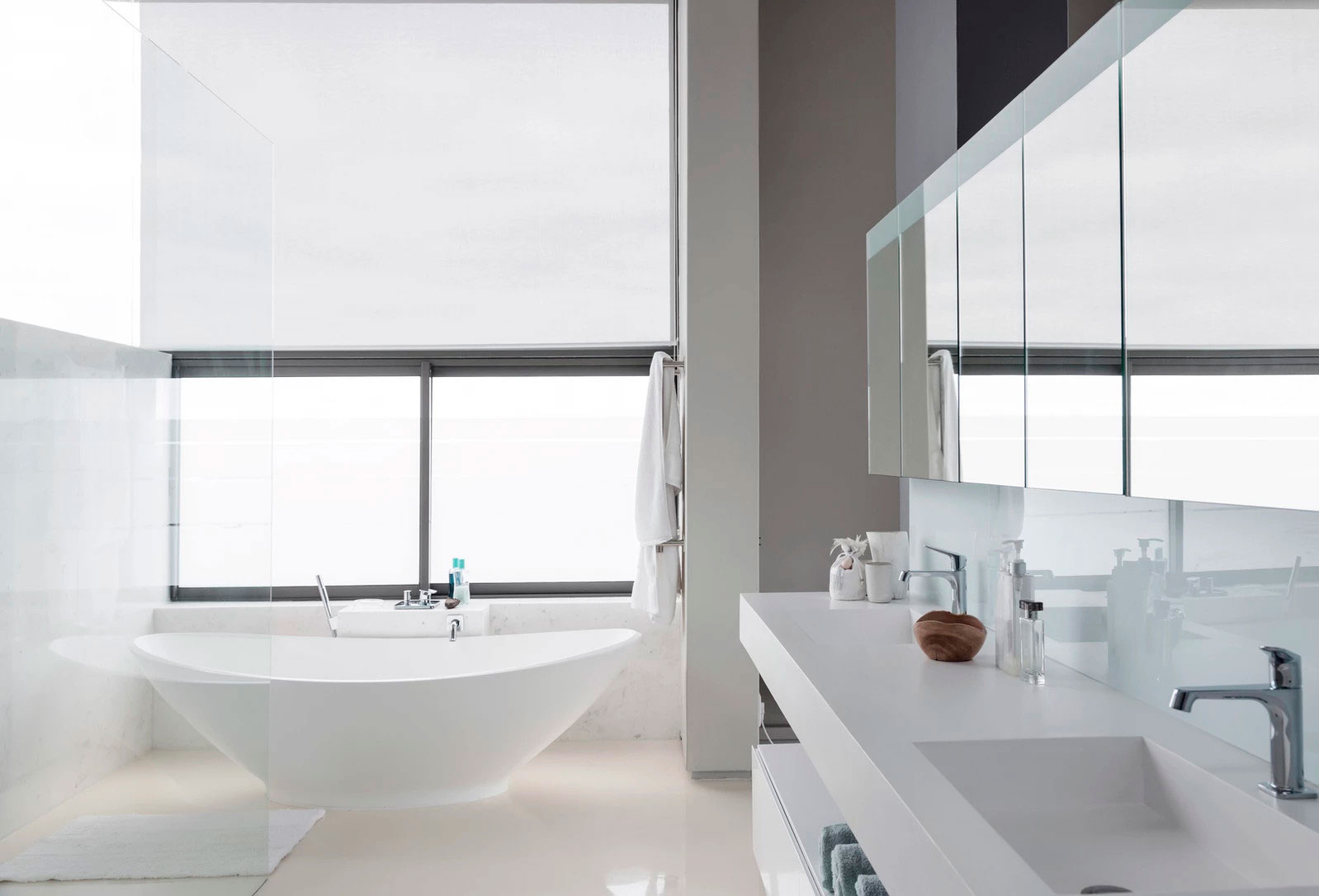
Real bathroom remodel before and after results show that even modest renovations can dramatically improve both function and resale value. Additionally, according to Remodeling Magazine’s 2024 Cost vs. Value Report, a midrange bathroom remodel in the Northeast recoups roughly 66% of its cost at resale. This makes it one of the stronger home improvement investments available.
Key Takeaways
- Bathroom remodel costs in Fairfield County can range from a few thousand dollars for cosmetic updates to $45,000+ for full gut renovations.
- The biggest cost drivers are layout changes, plumbing and electrical work, custom tile, cabinetry, and higher-end fixtures.
- Proper planning before demolition helps reduce change orders, delays, and unexpected budget increases.
- Connecticut bathroom projects involving plumbing, electrical, or structural changes may require local permits and inspections.
- Contractor selection matters because bathroom renovations require multiple trades to work in the correct sequence.
What the “Before” Phase of a Bathroom Remodel Actually Looks Like
Assessment
A qualified contractor must assess the existing condition of the space, including subfloor integrity, plumbing stacks, exhaust ventilation, and electrical capacity. In older Fairfield County homes, identifying issues like knob-and-tube wiring or cast-iron drain lines is essential before cosmetic work begins.
Design
Strategic design decisions drive the entire project. Choosing between prefab components and custom tile installations can significantly impact your materials cost. Cabinet layout, fixture placement, and plumbing locations all dictate the level of demolition and rough-in work required. Please note that material selections and structural changes will cause total costs to vary based on project complexity.
Permitting
In Connecticut, any work involving plumbing or electrical modifications requires permits. Municipalities like Danbury, Ridgefield, and Westport have specific requirements and timelines. A reliable contractor handles this paperwork and schedules inspections to ensure code compliance and protect your home’s resale value.
If you want a clearer picture of coordinated construction work, what to expect when working with home construction companies is worth reading before your first contractor meeting.
Scope Breakdown: Cosmetic Refresh vs. Full Gut Bathroom Remodel Before and After
Not every bathroom remodel involves tearing out walls. The scope you choose determines both your budget and how dramatic the before and after transformation will look. Here is a practical breakdown of common renovation levels:
| Renovation Level | Typical Scope | Estimated Cost Range (CT) |
|---|---|---|
| Cosmetic Refresh | Paint, new fixtures, vanity replacement, mirror | $2,500 – $7,500 |
| Mid-Level Remodel | New tile, tub/shower replacement, updated lighting | $10,000 – $20,000 |
| Full Gut Renovation | New layout, plumbing reroute, custom tile, cabinetry | $20,000 – $45,000+ |
| Primary Bath Addition | Adding a new bathroom to existing square footage | $40,000 – $80,000+ |
These ranges reflect typical pricing levels in Fairfield County, where labor and material costs generally trend higher than national averages. Moreover, understanding custom home building cost per square foot fairfield county gives you insight into the regional labor market that directly influences renovation pricing.
Because regional labor market conditions can vary, these estimates should be viewed as general guidance rather than fixed costs, similar to how variables influence the overall pricing of new construction projects in the area.
What a Cosmetic Refresh Delivers
A cosmetic refresh is the least invasive option. You swap the vanity, update the faucet, and repaint. Additionally, you replace the mirror and add new light fixtures. The bones of the bathroom stay exactly where they are. This works well when the layout is functional and the plumbing is sound. The before and after difference is visible but mostly surface-level.
What a Full Gut Bathroom Remodel Before and After Delivers
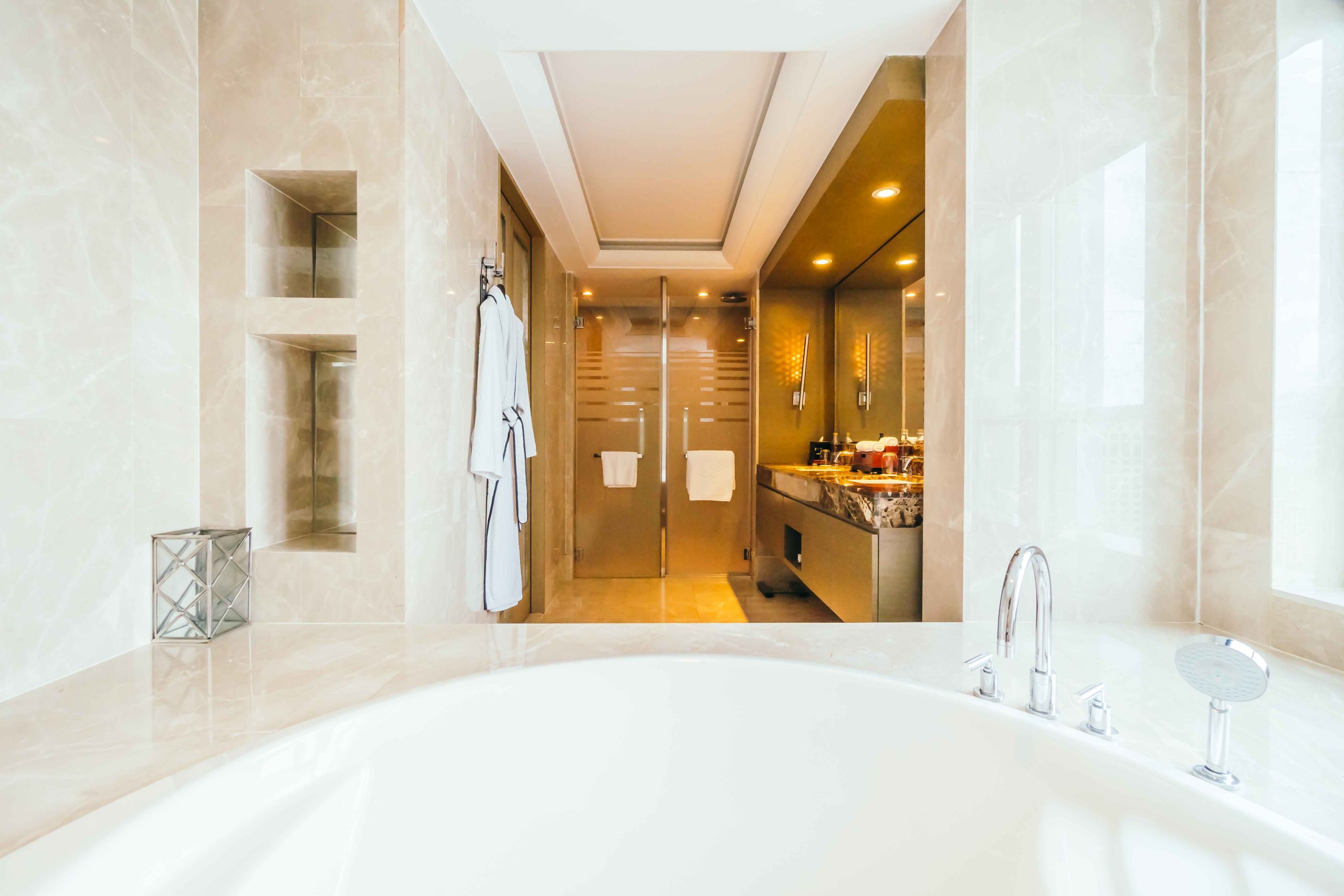
A full gut renovation strips the bathroom to the studs and subfloor. Everything comes out: tile, drywall, plumbing fixtures, and electrical boxes. This is where you gain the ability to reconfigure the layout. You can add a walk-in shower, incorporate heated floors, or expand the footprint if adjacent space allows. The before and after gap here is dramatic. A bathroom that felt cramped and outdated becomes a space that functions like a hotel suite.
The Materials That Define Your Bathroom Remodel Before and After
Once demolition is complete and rough-in work is inspected and approved, the materials you selected in the design phase start arriving. This is where the “after” vision becomes real. Several material categories deserve careful attention:
Tile
Tile is the dominant visual element in most bathrooms. Large-format porcelain tiles (24×24 or larger) give a modern, seamless appearance and are easier to clean than small mosaic grids. Natural stone like marble looks stunning but requires sealing and more maintenance. In Connecticut’s climate, where humidity levels fluctuate significantly between seasons, proper waterproofing behind tile is non-negotiable.
Vanity and Storage
A floating vanity with under-cabinet lighting creates a spa-like effect. It also makes the floor easier to clean. Solid wood cabinetry holds up better in humid environments than MDF alternatives. Custom woodworking and cabinetry work allows homeowners to get a vanity built specifically to their bathroom’s dimensions rather than working around stock sizes.
Shower Systems
Frameless glass enclosures are the standard in higher-end renovations. They read as larger and more open than framed alternatives. Rain shower heads, handheld sprayers, and thermostatic valves are popular additions in Fairfield County renovations. This is particularly true in Westport, Greenwich, and Ridgefield where primary baths are often larger and higher-spec.
Lighting
Layered lighting is essential for results. Include task lighting at the vanity, ambient ceiling fixtures, and accent lighting. The difference between a bathroom that photographs well and one that actually works comfortably every day depends on these choices.
Selecting the Right Contractor for Your Bathroom Remodel Before and After
The contractor you hire has more impact on your final result than any single material selection. A bathroom involves multiple trades working in sequence: demolition, rough plumbing, rough electrical, waterproofing, tile, cabinetry, finish plumbing, and trim. If any one of these is done out of order or without proper inspection, it cascades into expensive rework.
Before committing to a contractor, verify their license and insurance directly with the State of Connecticut Department of Consumer Protection. Connecticut requires Home Improvement Contractors to register with the Department of Consumer Protection when they perform qualifying residential home improvement work and exceed the state’s applicable contract-value threshold. Additionally, confirm that their subcontractors carry their own insurance. Your liability exposure does not end with the general contractor.
Many of the same considerations used to choose the right contractor for a kitchen remodel also apply to bathroom projects, including licensing, insurance, project scope, communication, and written estimates. Reviewing these factors early can help you compare contractors more effectively and set clearer expectations before work begins.

Red Flags to Watch For
- Unusually low bids that do not itemize labor and materials separately
- Contractors who ask for more than 30% upfront before work begins
- No written contract or vague language around scope changes
- Inability to provide proof of HIC registration or liability insurance
Budgeting Your Bathroom Remodel Before and After in Context of Larger Home Projects
Bathroom renovations rarely happen in a vacuum. Many Fairfield County homeowners tackle bathroom upgrades as part of larger projects. These include a home addition that includes a new primary suite, a full home renovation, or a new construction build. Understanding how renovation costs fit into a bigger picture helps with smarter financial planning.
If you are building or substantially renovating, reviewing how much does it cost to build a custom home ct pricing guide gives you a broader sense of where your bathroom budget fits. This helps you understand costs relative to full construction in Connecticut.
For projects where a bathroom addition is part of a new primary suite, the per-square-foot cost matters as much as the finish selections inside the bathroom itself. Grain & Steel handles these combined scopes frequently. Their work includes primary bathroom additions, in-law suites with their own bathrooms, and garage conversions that incorporate full bath facilities.
Frequently Asked Questions About Bathroom Remodel Before and After
How long does a full bathroom gut renovation typically take in Fairfield County?
Timeline estimates for a full gut renovation can vary significantly based on the project’s scope, material availability, and local permitting requirements. Factors such as the complexity of the design, custom installations, and the specific review processes in your municipality can impact the final schedule. Note that these are estimates and actual project durations may vary depending on the specific circumstances of your renovation.
Do I need permits for a bathroom remodel in Connecticut?
Yes. Bathroom remodeling work that involves alterations to plumbing, electrical, or other building systems may require permits under the Connecticut State Building Code. The Office of the State Building Inspector establishes the state’s building, electrical, mechanical, and plumbing code requirements. Homeowners should check with their local building department before beginning a remodel to determine which permits and inspections apply to the planned work.
What is the most common thing homeowners wish they had done differently after a bathroom remodel?
Most homeowners wish they had added more storage, better lighting at the vanity, or invested in a larger shower than their original plan called for. These are scope decisions that are far more expensive to change after completion than during the design phase. Reviewing your priorities with your contractor during the planning stage, not after demolition, is the right time to make those calls.
Can a bathroom remodel really increase my home’s resale value in Connecticut?
Yes, but the return depends heavily on the quality of the work and whether the renovation aligns with buyer expectations in your specific price bracket. In Fairfield County, where buyer expectations in towns like Greenwich, Westport, and Ridgefield skew toward high-end finishes, a dated bathroom can be a meaningful barrier to a strong sale price. Quality renovations that match neighborhood norms tend to perform well on resale.
How do I avoid going over budget on a bathroom remodel?
Lock in your design decisions before demolition begins, get all change orders in writing, and build a 10 to 15 percent contingency into your budget for unexpected structural or plumbing issues. The most reliable way to stay on budget is to work with a contractor who provides a detailed written scope of work with itemized costs. Vague contracts lead to disagreements about what is included, and disagreements lead to cost overruns.
Turn Your Bathroom Remodel Vision Into a Finished Space
A successful bathroom remodel starts with clear priorities, realistic budgeting, and a contractor who understands how to manage both the visible upgrades and the issues that may be hidden behind the walls.
For homeowners throughout Fairfield County and surrounding communities, Grain & Steel Contracting LLC provides professional bathroom remodeling services backed by licensed and insured general contracting experience.
Request a consultation for your bathroom remodel.