
Quick Facts
- Local builders keep projects compliant, organized, and on schedule.
- They handle permits, inspections, and subcontractor coordination.
- Local teams often offer better communication and accountability.
- Homeowners should check licensing, contracts, and references.
- Hiring professionals usually provides more structure and protection than DIY.
What’s In This Guide
- What Should You Expect from Local Home Construction?
- Why Work with a Local Home Construction Company?
- What to Look for When Hiring a Local Builder
- How to Prepare Before Hiring a Local Construction Company
- DIY vs. Hiring Local Home Construction Companies
- Frequently Asked Questions
- Build with Confidence and Start Your Project Today
Building a home is a multi-phase process that involves planning, coordination, regulatory compliance, and skilled execution. Many homeowners underestimate how much goes on behind the scenes, from navigating permits to managing subcontractors and maintaining timelines.
Local home construction companies help bring structure to this complexity by guiding each phase with experience and area-specific knowledge.
When building a home in CT, working with professionals who understand local requirements and construction standards can make the process more efficient and predictable.
Here are the key things to expect when working with a local builder.
What Should You Expect from Local Home Construction?
Initial Consultation and Project Planning
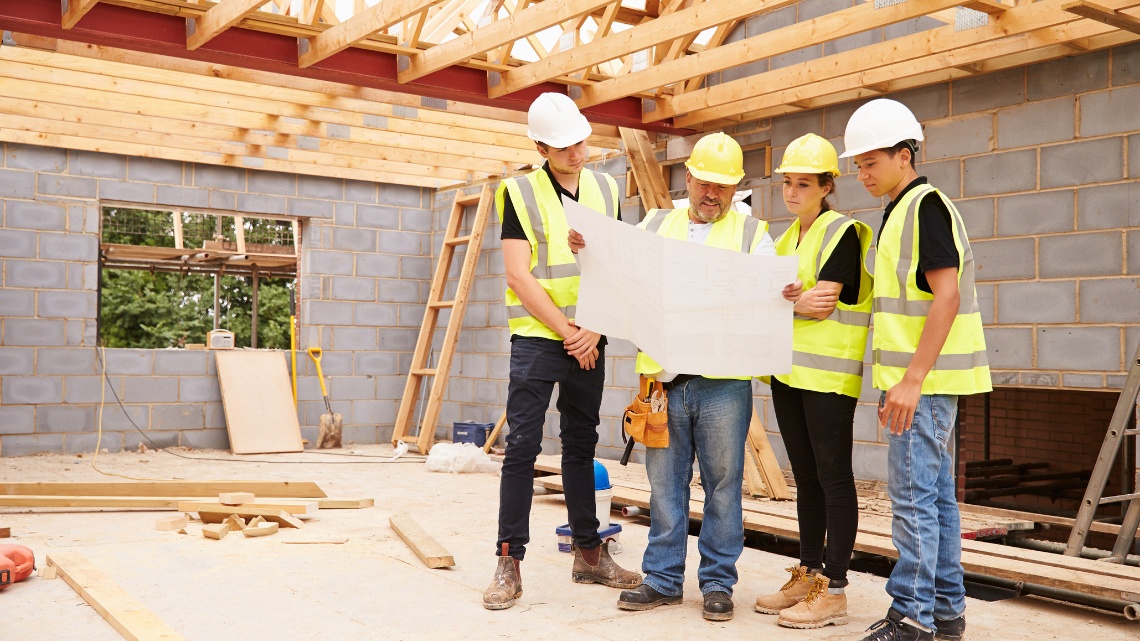
The process starts with an initial consultation. During this stage, your builder learns more about your goals, budget, timeline, and overall vision for the home.
You will typically discuss:
- Project scope
- Design preferences
- Budget range
- Timeline expectations
- Site considerations
- Potential challenges that could affect cost or scheduling
Land Evaluation or Purchase Guidance
If you have not purchased land yet, many home builders in CT can help you evaluate potential lots before you commit. This is an important step because not every property is suitable for residential construction.
Key considerations include:
- Soil stability
- Drainage and grading
- Zoning restrictions
- Utility access
- Septic or sewer requirements
- Wetlands or environmental limitations
Design and Pre-Construction Phase
After the lot is secured, the design and pre-construction phase begins. Builders often work with architects, designers, and engineers to develop plans that fit your goals, budget, and site conditions.
This phase usually includes:
- Floor plans and elevations
- Structural planning
- Material selection
- Budget development
- Preliminary scheduling
- Engineering reviews
Permitting and Approvals
Before construction can begin, plans must be reviewed and approved by the appropriate local authorities. This part of the process can vary depending on the town and the scope of the project.
Local builders typically handle:
- Permit applications
- Code compliance checks
- Zoning review coordination
- Inspection scheduling
- Required documentation
- Communication with local officials
Construction Begins
Once permits are approved, construction moves into the building phase. Work usually progresses in a sequence, with each stage depending on the completion of the previous one.
Typical phases include:
- Site preparation and excavation
- Foundation installation
- Framing and structural work
- Roofing and exterior finishes
- Window and door installation
- Rough mechanical work
Subcontractor Coordination
Building a home involves multiple specialized trades. Your builder coordinates the professionals needed for each stage of the project and keeps work moving in the right order.
This often includes managing:
- Electricians
- Plumbers
- HVAC technicians
- Roofers
- Painters
- Flooring installers
- Material deliveries
- Work schedules
Ongoing Communication and Progress Updates
Clear communication is one of the most important parts of the building process. Homeowners should know how updates will be shared and who will be responsible for day-to-day communication.
You should expect:
- Regular progress updates
- Scheduled site visits
- Clear communication about changes
- Answers to questions about the timeline or budget
- A main point of contact
- Documentation for change orders or decisions
Final Inspections and Walkthrough
Before the home is considered complete, it must go through final inspections and a walkthrough. This stage confirms that the work meets code requirements and that remaining items are identified before move-in.
This stage typically includes:
- Final quality checks
- Addressing punch list items
- Final code inspections
- System testing
- Occupancy approval
- Homeowner walkthrough
Why Work with a Local Home Construction Company?
Knowledge of Local Building Codes and Regulations
Local builders understand Connecticut-specific zoning laws, permitting requirements, and building codes. This knowledge helps prevent compliance issues and keeps projects moving without unnecessary delays.
Faster Permitting and Approvals
Experienced home builders in CT often have established relationships with local officials and inspectors. This familiarity can help streamline approvals and reduce waiting times during the permitting process.
Access to Trusted Local Subcontractors
Connecticut home builders typically work with reliable local tradespeople they trust. This leads to better coordination, consistent workmanship, and fewer scheduling conflicts during construction.
Stronger Accountability and Reputation
Local home construction companies depend heavily on community reputation and referrals. This often results in higher standards of work and a stronger commitment to meeting homeowner expectations.
Better Communication and Accessibility
Working with a local team makes it easier to communicate and schedule in-person meetings or site visits. Clear communication helps homeowners stay informed and make timely decisions throughout the project.
Familiarity with Local Conditions and Materials
Builders who regularly work in the area understand regional factors like weather patterns, soil conditions, and material performance. This allows them to recommend solutions that are better suited for long-term durability in Connecticut homes.
What to Look for When Hiring a Local Builder
Proper Licensing and Proven Experience
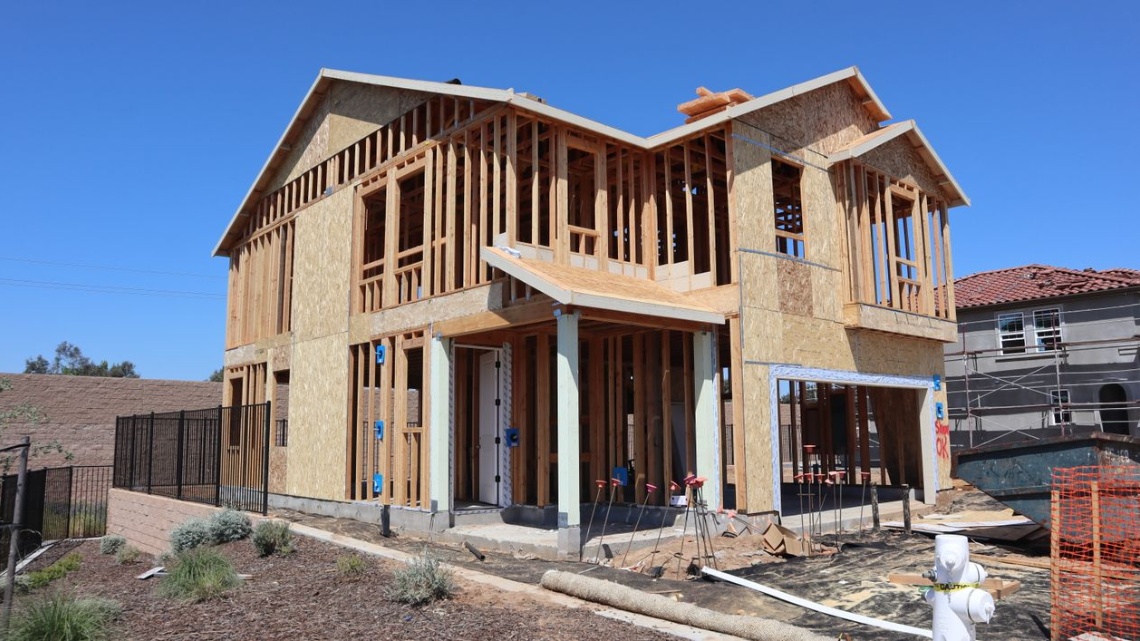
Always confirm that a builder is properly licensed and qualified to work in Connecticut. When reviewing home builders in CT, ask to see past projects, portfolio examples, and experience with homes similar to the one you want to build.
Transparent Contracts and Pricing
A reliable builder should provide a clear written contract that explains the scope of work, payment schedule, and project timeline. Strong documentation helps homeowners understand expectations upfront and reduces the risk of confusion once construction begins.
Strong Communication Practices
Clear communication is essential when working with home construction companies, especially during a custom build. Ask how often updates will be shared and who will serve as your main point of contact throughout the project.
Reliable References and Reviews
References and reviews can offer valuable insight into how a builder performs in real-world projects. Speaking with past clients can help you evaluate timeliness, budget accuracy, and overall satisfaction before choosing among Connecticut home builders.
➤ ALSO READ: How to Choose the Right Home Builder: 7 Key Questions to Ask
How to Prepare Before Hiring a Local Construction Company
Define Your Budget and Priorities
Set a realistic budget before speaking with builders and separate your must-have features from items that are flexible. This gives you a stronger starting point for conversations about design, materials, and overall project scope.
Research Local Regulations
Learn the basics of local zoning rules, permit requirements, and site restrictions before moving forward. Even a general understanding can help you ask more informed questions and better understand what may affect your timeline or build plans.
Gather Inspiration and Design Ideas
Collect examples of layouts, finishes, and features that match the style and function you want in your home. A clearer vision can make the planning process more efficient and help reduce design changes later on.
Prepare Questions for Your Builder
Ask about:
- Timelines
- Communication methods
- Past project experience
DIY vs. Hiring Local Home Construction Companies
DIY Home Building
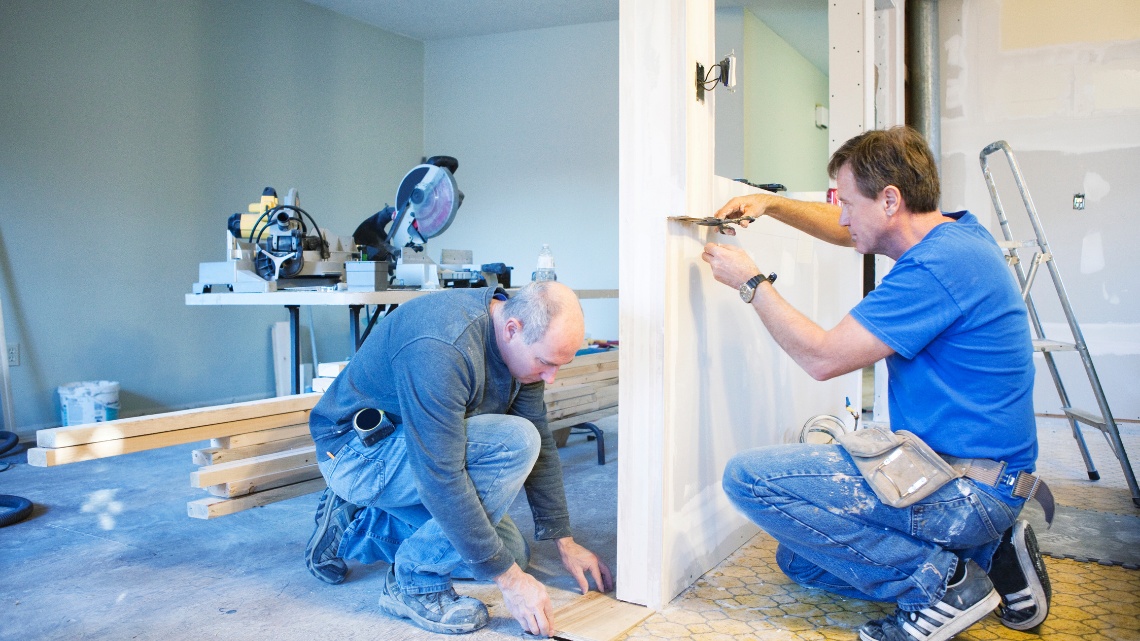
A DIY approach gives homeowners more control over decisions and can lower some upfront labor costs, which helps explain why 62% of Americans say saving money is a top reason they take on DIY projects. Still, home construction requires a high level of knowledge in building systems, permitting, and project management, which can be difficult to handle without prior experience.
Hiring Local Home Construction Companies
Hiring professionals provides access to skilled labor, structured timelines, and code-compliant construction practices. Connecticut home builders manage every phase of the project, helping ensure efficiency, safety, and consistent quality.
Key Differences to Consider
Factor | DIY Home Building | Hiring Local Home Construction Companies |
Cost Control | Lower upfront costs but risk of overruns | Higher upfront cost with a more predictable budget |
Time Commitment | Significant personal time required | Managed timelines by professionals |
Permits and Compliance | Must handle independently | Managed by experienced home builders in CT |
Quality of Work | Depends on skill level | Consistent quality from trained professionals |
Project Management | The homeowner is responsible for the coordination | Full coordination by Connecticut home builders |
Risk and Liability | Higher personal liability | Covered by builder’s insurance policies |
Access to Resources | Limited supplier and contractor access | Established network of local suppliers |
Frequently Asked Questions
How long does it take to build a custom home?
Most custom homes take about 7 to 12 months to build once construction begins, although the full timeline can be longer when design, permitting, and site preparation are included. Factors like weather, material availability, project size, and local approval timelines can all affect how quickly the home moves from planning to completion.
How often should I expect updates?
You should expect regular updates throughout the project, often on a weekly or biweekly basis. Many home builders in CT also schedule site visits or progress meetings so homeowners can review completed work, ask questions, and stay informed about any upcoming decisions.
What happens if there are changes during construction?
Changes during construction are usually handled through formal change orders. These documents outline the requested revision, any added or reduced costs, and any timeline impact before the work moves forward, which helps keep expectations clear for both the builder and the homeowner.
Are local builders more expensive than larger companies?
Not always. While pricing depends on the scope of the project, local home construction companies often provide strong value through closer oversight, better communication, and a more personalized approach to scheduling and quality control.
What insurance should my builder have?
Your builder should carry general liability insurance and workers’ compensation coverage at a minimum. These policies help protect homeowners from financial responsibility if there is property damage, an on-site accident, or a worker injury during construction.
Build with Confidence and Start Your Project Today
Working with local home construction companies gives you a clear advantage when navigating the complexities of building a home in CT. From managing permits and subcontractors to ensuring quality craftsmanship, local expertise helps streamline the entire process.
If you are exploring options among Connecticut home builders, choosing a team with proven experience, strong communication practices, and a commitment to quality can make all the difference.
For homeowners in Fairfield County looking for a reliable partner, Grain & Steel Contracting LLC offers the local knowledge and hands-on approach needed to guide your project from concept to completion.
Contact us to get started on your home project.