
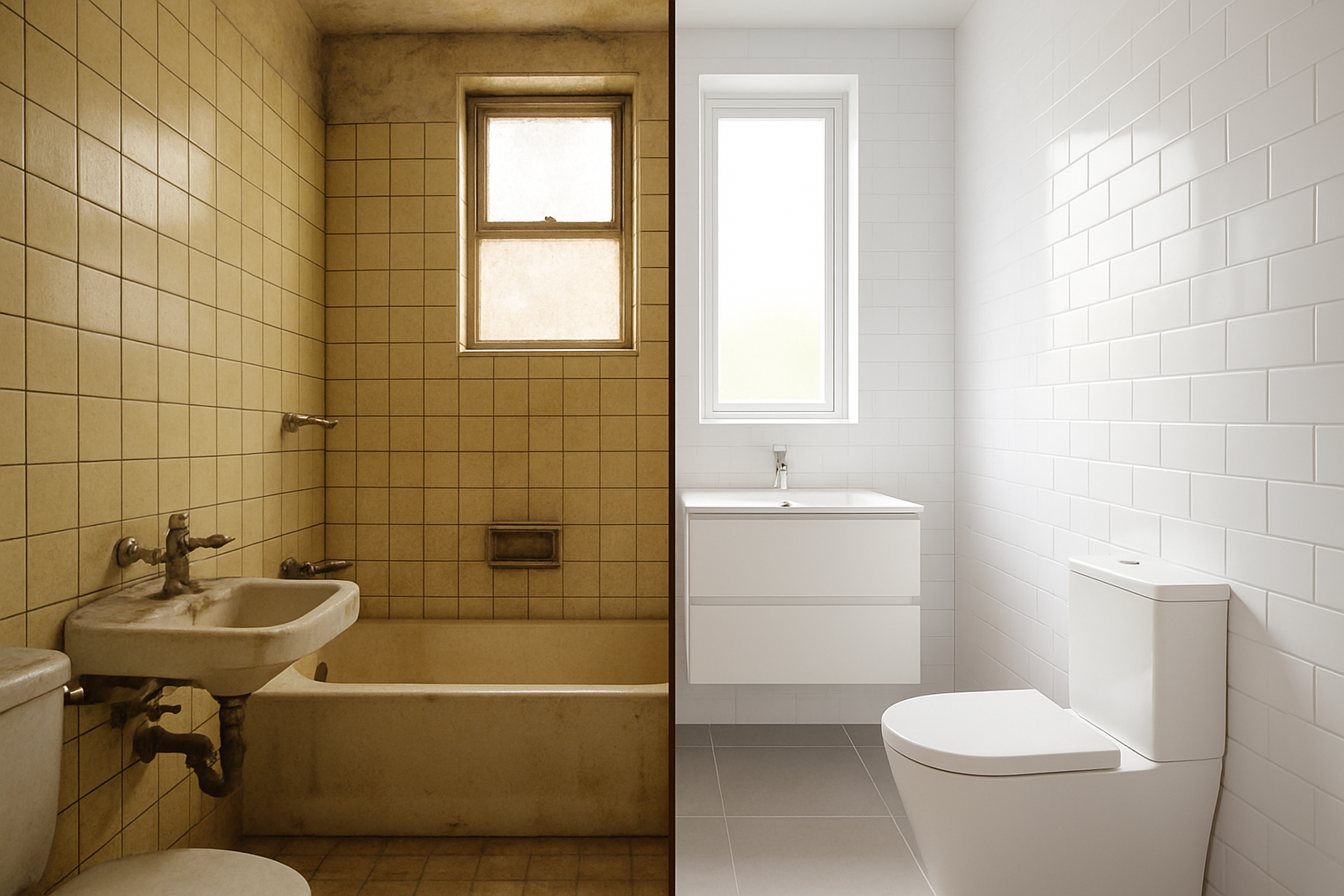
A small bathroom remodel on a budget is absolutely achievable without sacrificing style or quality. Therefore, the key is prioritizing high-impact upgrades. You’ll want to be strategic about what you replace versus refresh. Understanding where your money delivers the most visible return matters most in small bathroom remodel ideas budget planning.
Table of Contents
- Why Small Bathrooms Deserve Thoughtful Planning
- Where to Spend and Where to Save
- Design Moves That Make Small Bathrooms Feel Bigger
- Smart Material Choices for Budget Remodels
- What to DIY and What to Leave to Professionals
- Planning Your Remodel Timeline and Budget
Key Takeaways
- Cosmetic updates like paint, lighting, and hardware can transform a bathroom without touching plumbing or tile.
- Keeping fixtures in their existing locations is one of the most effective ways to control labor costs.
- Tile and vanity choices have the biggest visual impact, so allocate budget there first.
- Prefabricated vanities and stock tile sizes cost significantly less than custom options without looking cheap.
- Even modest bathroom renovations can improve a home’s resale value, particularly in competitive real estate markets like Fairfield County.
- Getting a professional assessment before starting helps you avoid hidden costs like water damage or outdated wiring.
Why Small Bathrooms Deserve Thoughtful Planning
It might seem like less square footage means less complexity. However, small bathrooms are often the trickier renovation because every decision is amplified. A poor tile choice or the wrong vanity size can make the entire room feel cramped and disjointed. Conversely, the right combination of finishes, lighting, and layout can make a 45-square-foot bathroom feel genuinely comfortable.
Budget constraints add another layer of complexity. When money is tight, the temptation is to skip planning. Instead, jump straight to buying materials. That approach almost always leads to costly mistakes, rework, and the dreaded “while we’re in there” spiral where one fix reveals another problem underneath.
At Grain & Steel Contracting LLC, a family-owned general construction company based in Danbury and serving all of Fairfield County, CT, we see this pattern often. Homeowners in towns like Bethel, Ridgefield, and Westport come to us after starting a DIY bathroom refresh. They hit a wall, sometimes literally, when they discover rotting subfloor or galvanized pipes that need replacing. A short planning phase, even a single professional walkthrough, prevents those surprises from blowing up a budget.
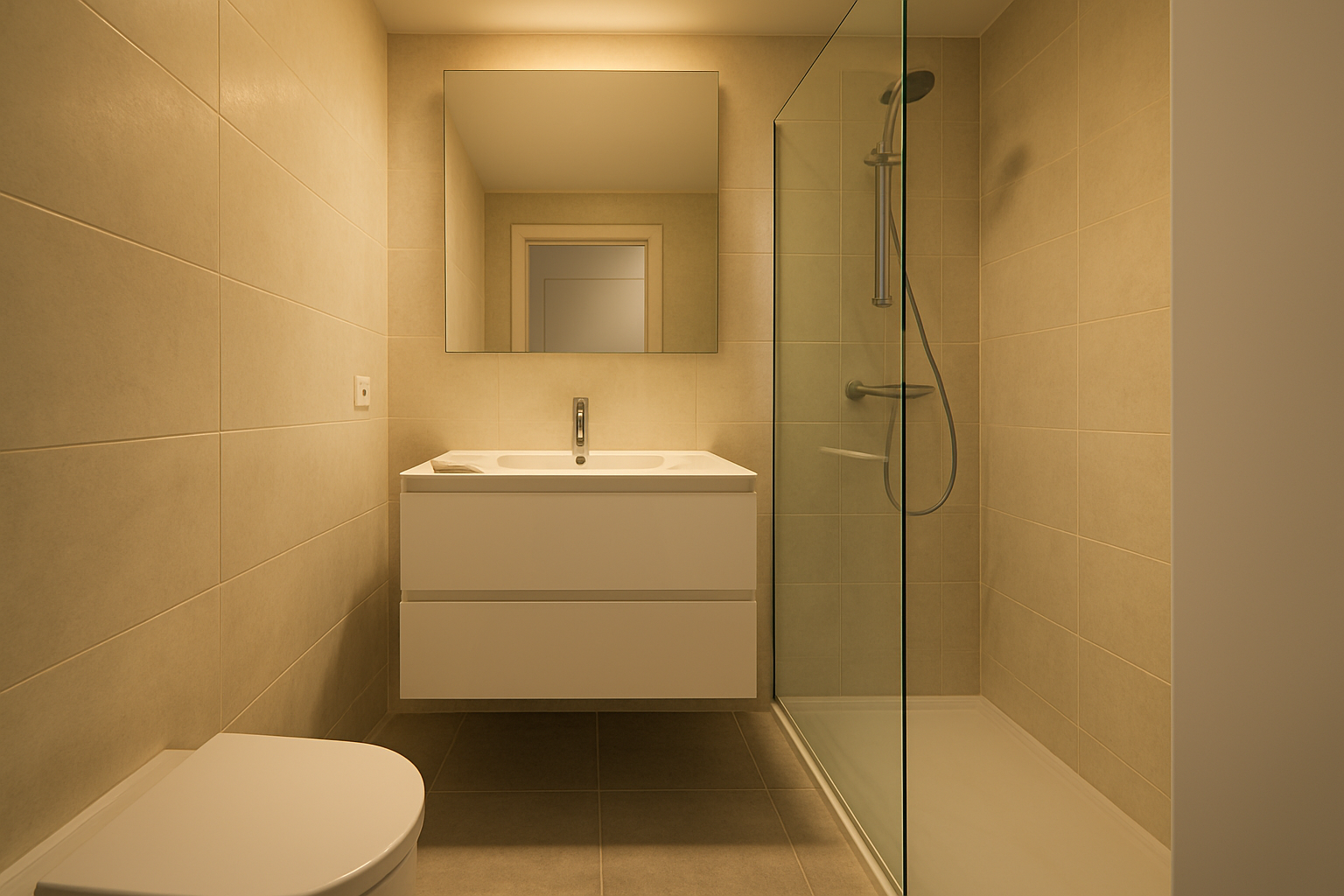
Where to Spend and Where to Save for Small Bathroom Remodel Ideas Budget
One of the most practical frameworks for small bathroom remodel ideas budget planning is separating your scope into “splurge” and “save” categories. Not all upgrades deliver equal value.
Spend here:
- Tile work, especially the shower surround and floor
- Vanity with storage, since this is both functional and visual
- Lighting, which is chronically underfunded in bathroom renovations
- Ventilation fan, particularly if your current one is inadequate. Poor ventilation causes mold and structural damage over time.
Save here:
- Mirror: a simple frameless or framed mirror from a home improvement store does the job
- Towel bars and toilet paper holders: these are easy to swap yourself
- Toilet: unless yours is failing, a thorough cleaning and new fill valve or flapper can extend its life for years
- Accessories and décor: these have zero impact on function. You can add them gradually.
The logic here is straightforward. Tile and vanity work involves skilled labor and materials that age visibly. Quality matters significantly. Hardware and accessories are easy to swap later when your budget recovers.
| Item | Budget Option | Mid-Range Option | Notes |
|---|---|---|---|
| Floor tile | $1-$3/sq ft (basic ceramic) | $4-$8/sq ft (porcelain) | Porcelain holds up better in wet areas |
| Vanity | $150-$400 (stock/prefab) | $600-$1,200 (semi-custom) | Stock vanities often ship in days |
| Lighting fixture | $50-$150 (bar light) | $200-$500 (layered lighting) | Add dimmer switch for minimal cost |
| Toilet | $120-$250 (two-piece) | $350-$700 (one-piece, WaterSense) | WaterSense models save on utility bills |
| Shower surround | $200-$500 (tub surround kit) | $800-$2,000 (tile with labor) | Kits are faster, tile lasts longer |
| Ventilation fan | $30-$80 (basic CFM) | $150-$300 (humidity-sensing) | Humidity-sensing models prevent mold |
Design Moves That Make Small Bathrooms Feel Bigger
Working with limited square footage is a design challenge that professionals solve with a few consistent techniques. Moreover, none of these require a massive budget.
Use large-format tile on the floor. Counterintuitively, bigger tiles in a small space create fewer grout lines. This makes the floor look less busy. The room feels larger as a result. A 12×24 inch porcelain tile costs roughly the same as smaller mosaic options. You’ll save even more when you factor in the reduced labor from having fewer pieces to set.
Go vertical with tile. If you’re retiling the shower or tub surround, run subway tile vertically instead of the standard horizontal brick pattern. This draws the eye upward and adds perceived height to the room.
Choose a floating vanity. Wall-mounted vanities expose more of the floor. This tricks the eye into reading the room as larger. They’re also easier to clean underneath, which is a practical bonus.
Stick to a light, cohesive color palette. Bright whites, soft grays, and warm off-whites reflect light and reduce visual clutter. This doesn’t mean everything needs to match. Instead, contrast should be intentional, not accidental.
Replace a shower curtain with a clear glass panel. Even a basic frameless glass panel (not a full enclosure) opens up the visual field in a small bathroom dramatically. Prices for a single fixed panel start around $150 to $250 at most home improvement retailers.
Add a recessed medicine cabinet. Surface-mounted cabinets jut out from the wall. They eat into the perceived space. A recessed cabinet sits flush. It adds storage without compromising the room’s proportions.
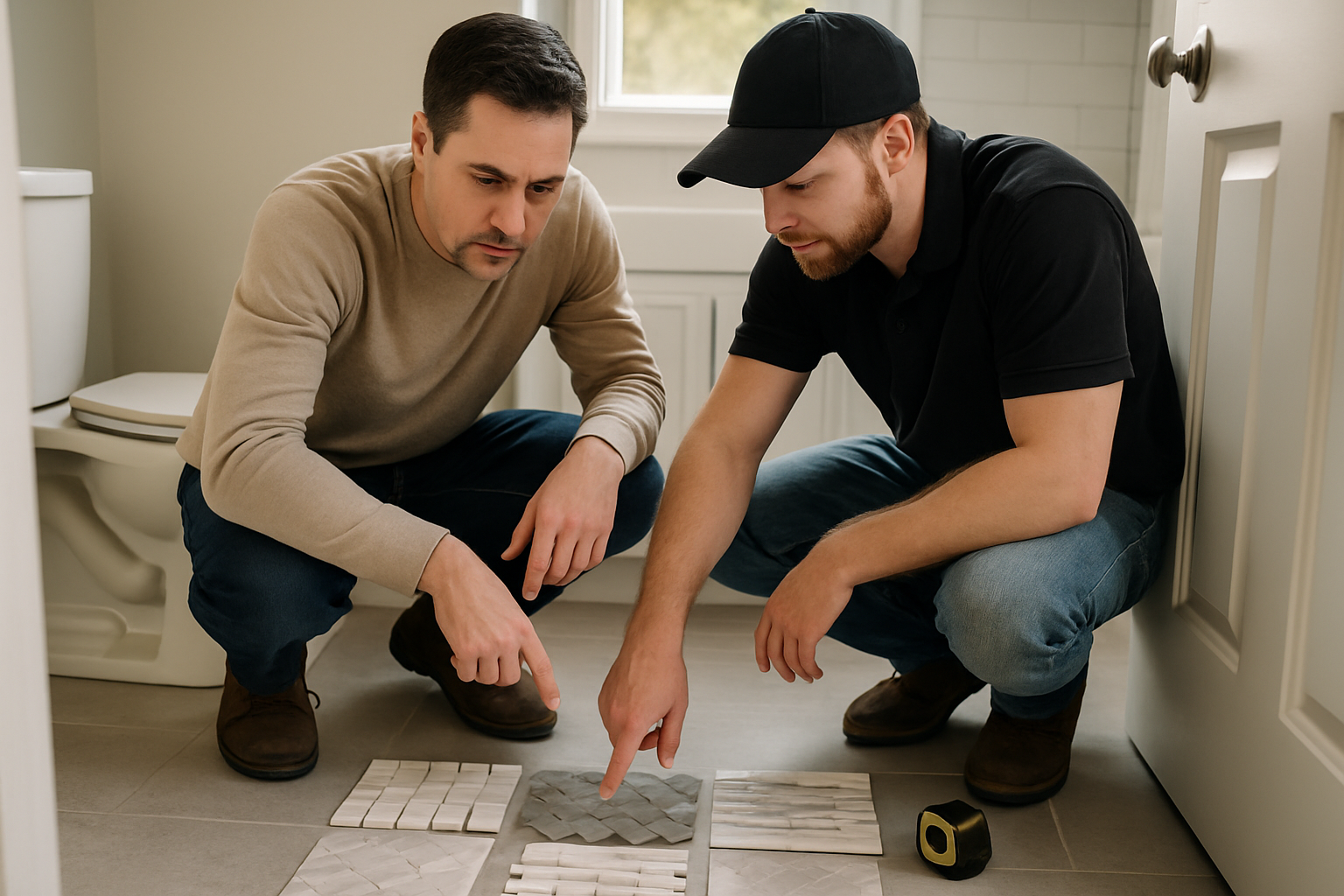
Smart Material Choices for Budget Remodels
Material selection is where budget remodels are won or lost. The goal is finding options that look elevated without carrying a custom price tag.
Ceramic vs. porcelain tile: Ceramic is less expensive and easier to cut. It’s a solid choice for walls. Porcelain is denser and less porous. It’s better for floors and wet areas. Both come in a wide range of styles, including convincing stone and wood looks.
Prefabricated vanities: Big-box retailers and online suppliers like Home Depot, Wayfair, and IKEA carry vanities that look far more expensive than their price suggests. The IKEA GODMORGON system allows for some customization at a fraction of custom cabinetry costs. If you’re working with Grain & Steel and want true custom woodworking and cabinetry, that’s a service we offer when the budget supports it. However, for a tight remodel, prefab is a smart call.
Paint over re-tile: If your existing tile is in good condition but an outdated color, epoxy tile paint is a viable short-term solution. It’s not permanent. Plan on 5-7 years before it shows wear. For a rental property or a bathroom you plan to fully renovate later, it buys time at a fraction of the cost.
Peel-and-stick options for backsplash areas: Above the vanity, peel-and-stick tile panels have improved considerably in recent years. They won’t pass as real tile on close inspection. In a low-humidity area like a backsplash accent above the sink, they hold up reasonably well.
Understanding the cost of materials in context of a full project helps with realistic planning. If you’ve been researching larger construction projects in the region, our post on custom home building cost per square foot fairfield county gives a useful sense of how material and labor costs in Connecticut stack up compared to national averages.
What to DIY and What to Leave to Professionals
This is probably the most consequential decision in any small bathroom remodel ideas budget plan. Getting it wrong in either direction costs money. DIYing work that requires a license or significant skill can create safety hazards and code violations. Over-hiring for simple cosmetic tasks wastes money you could have put toward better materials.
Reasonable DIY tasks for most homeowners:
- Painting walls and ceiling
- Swapping hardware (towel bars, toilet paper holder, cabinet pulls)
- Installing a new light fixture (if you’re comfortable with basic electrical and the circuit is off)
- Caulking around the tub or sink
- Installing a new toilet seat
- Hanging a mirror
Tasks that typically require a licensed professional:
- Any plumbing work beyond replacing a faucet cartridge. Moving a drain or rerouting supply lines requires expertise.
- Electrical panel work or adding new circuits
- Tile work on shower walls and floors. Improper waterproofing behind tile causes structural damage.
- Installing a new ventilation fan that requires new ductwork
Choosing the right contractor matters as much as choosing the right materials. Additionally, our resource on how to choose the right contractor for kitchen remodel covers the vetting process thoroughly. Most of those principles apply directly to bathroom remodels too.
It’s also worth understanding what the working relationship with a contractor actually looks like before you sign anything. Our resource on how much does it cost to build a custom home ct pricing guide walks through timelines, communication, and what a professional process should include from first walkthrough to final punch list.
Planning Your Remodel Timeline and Budget
For most small bathrooms in Fairfield County, a cosmetic refresh takes a weekend to a few days. Paint, hardware, lighting, and vanity swaps fall into this category. A more involved remodel that includes new tile, plumbing fixture replacements, and a new vanity typically takes one to two weeks when a contractor coordinates all the trades.
Budget ranges vary by scope:
- Cosmetic refresh: $500 to $2,500 (DIY-heavy, surface changes only)
- Mid-range remodel: $5,000 to $12,000 (new tile, vanity, fixtures, possibly new shower surround)
- Full gut renovation: $12,000 to $25,000+ (everything replaced, possible layout changes, all new plumbing and electrical)
These ranges reflect Connecticut pricing, which runs higher than national averages due to labor costs and permitting requirements. If you’re curious how those cost structures relate to larger home projects in the region, understanding local construction economics is essential to realistic budgeting. Your contractor can provide context based on the custom home building cost per square foot fairfield county standards.
A few practical notes on managing your remodel timeline:
- Order materials before demo begins. Lead times on vanities and tile can run two to four weeks for specialty items.
- Budget a 10 to 15 percent contingency for surprises behind the walls, especially in older homes.
- Pull the necessary permits. In Connecticut, bathroom remodels that involve plumbing or electrical work typically require a permit. Working without one creates problems at resale.
- If you only have one bathroom in the home, discuss timing carefully with your contractor. The space should be out of commission for the shortest possible window.
Grain & Steel Contracting LLC works with homeowners throughout Danbury, Norwalk, Greenwich, Stamford, and surrounding Fairfield County communities on projects of all sizes. From targeted bathroom renovations to full home remodels, we maintain longstanding relationships with licensed subcontractors across every trade. This keeps scheduling tighter and costs more predictable than piecing together separate contractors yourself.
Small bathroom remodel ideas on a budget don’t require sacrifice. They require sequencing the right upgrades. You’ll need smart material choices. You’ll also need to know which decisions to leave to experienced hands.
Things to Know
- Bathroom permits in Connecticut are required for any work that involves moving or adding plumbing or electrical circuits. Skipping permits can complicate a home sale and create liability issues down the road.
- Waterproofing behind shower tile is not visible once the job is done. However, it is the single most important step in a wet-area installation. Inadequate waterproofing leads to mold, rot, and structural damage that costs far more to fix than the original tile job.
- Ventilation is often the most overlooked budget line in a bathroom remodel. The Home Ventilating Institute recommends a minimum of one CFM per square foot of bathroom area. Many older homes fall well short of that.
- Grout color has a larger effect on the final look of a tiled bathroom than most homeowners expect. Light grout shows dirt more easily. Dark grout can visually shrink a small space. Test your grout color against your tile before committing.
- Fixture finishes are a detail worth coordinating. Mixing brushed nickel, chrome, and matte black across a small bathroom looks unintentional. This dates the space quickly. Pick one finish and carry it through every hardware piece.
- Not every cosmetic problem requires replacement. A reglazing company can refinish an existing tub or tile surround for a fraction of the cost of a full replacement. The results hold up well for several years with proper care.
See What a Focused Bathroom Remodel Can Do for Your Home
If you’ve been putting off a bathroom renovation because the cost felt unpredictable, a conversation with an experienced local contractor changes that quickly. At Grain & Steel Contracting LLC, we scope bathroom projects honestly. We identify what’s worth doing now versus later. We keep your budget working as hard as possible from the first walkthrough to the final fixture.
Reach out to us directly to schedule your free consultation. You’ll get a clear picture of what your remodel actually involves. Request your free project consultation today and tell us about your space, your goals, and your timeline. We’ll put together a plan that makes sense for your home.
Frequently Asked Questions
Q: What is a realistic budget for a small bathroom remodel in Connecticut?
A realistic small bathroom remodel in Connecticut typically runs between $5,000 and $15,000 depending on scope, materials, and whether plumbing or electrical work is involved. Cosmetic-only updates like paint, lighting, and hardware can come in well under $2,500, especially with significant DIY involvement. A mid-range remodel that includes new tile, a vanity replacement, and updated fixtures generally falls in the $7,000 to $12,000 range. Connecticut labor rates run higher than the national average. Therefore, budgeting conservatively and adding a 10 to 15 percent contingency is a sound approach before any demo begins.
Q: Can I remodel a small bathroom without moving the plumbing?
Yes, and keeping plumbing in its existing location is one of the most effective ways to control costs in a small bathroom remodel. Moving a drain or rerouting supply lines requires a licensed plumber, permits, and significantly more labor. This can add thousands of dollars to a project. The majority of impactful upgrades, including new tile, a vanity swap, updated lighting, and fixture replacements, can be completed without touching the rough plumbing at all. If your layout is functional but dated, a cosmetic overhaul in place is almost always the smarter budget call.
Q: How long does a small bathroom remodel typically take?
A small bathroom remodel generally takes anywhere from a few days for cosmetic updates to two weeks for a more involved renovation. New tile work and fixture replacements require more time. The biggest variable is material lead time. Vanities, specialty tile, and custom-order items can take two to four weeks to arrive. Therefore, ordering before demo begins is critical for keeping the project on schedule. If the bathroom being renovated is the only one in the home, discuss sequencing with your contractor upfront. The disruption window should stay as short as possible.
Q: Is it worth remodeling a small bathroom before selling a home?
In competitive real estate markets like Fairfield County, a clean, updated bathroom can meaningfully improve a home’s appeal and perceived value to buyers. That said, the return on investment depends heavily on how much you spend and what condition the bathroom is currently in. A targeted cosmetic refresh that addresses obvious dated elements, worn surfaces, and poor lighting tends to offer a better return than a full gut renovation completed solely for resale. Buyers notice function and cleanliness first. Prioritizing those elements over high-end finishes makes sense when your goal is selling rather than long-term enjoyment.
Q: What are the biggest mistakes homeowners make on a budget bathroom remodel?
The most common mistakes are underestimating labor costs, skipping a contingency fund, and starting demo before materials have arrived on site. Other frequent missteps include choosing fixtures from multiple finish families that clash. Additionally, using interior paint in a bathroom without proper moisture resistance is problematic. DIYing tile work without understanding waterproofing requirements behind wet areas causes significant damage. Over-improving relative to the home’s overall value is also worth watching. A $20,000 bathroom renovation in a home worth $300,000 is harder to recoup than the same project in a $700,000 property. Planning with a contractor who knows the local market helps you calibrate the scope to the opportunity.