
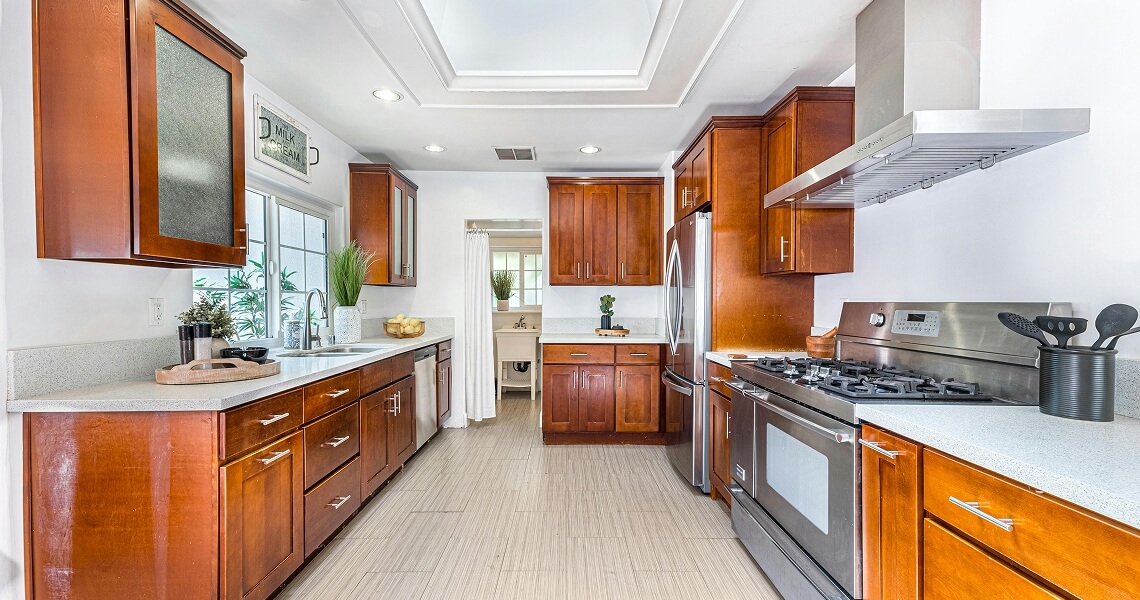
A kitchen remodel affects how a home functions every day, from storage and traffic flow to lighting, energy use, resale appeal, and the way people gather in the space.
For homeowners planning kitchen remodeling in Fairfield County, CT, the best results usually start before demolition. Clear planning, realistic budgeting, permit awareness, and the right contractor can help prevent delays, cost surprises, and communication problems once work begins.
Fairfield County homes vary widely, from older properties that may need electrical upgrades or structural adjustments to newer custom homes focused on layout optimization, finishes, and storage.
Regardless of the property type, a successful remodel starts with proper planning and choosing the right contractor.
What’s In This Guide
- What a Full-Service Kitchen Remodel Typically Includes
- When Should You Hire a Kitchen Remodeling Contractor?
- How to Plan a Kitchen Remodel in Fairfield County
- What to Expect from Kitchen Remodel Contractors in Fairfield County
- Permits, Codes, and Contractor Registration in Connecticut
- Budget Factors Fairfield County Homeowners Should Know Before a Kitchen Remodel
- How Energy-Efficient Choices Can Improve the Remodel
- Questions to Ask Before Hiring a Kitchen Remodeling Contractor
- What Homeowners Should Prepare Before the First Consultation
- Frequently Asked Questions (FAQs)
- Hire the Right Contractor Before Starting Your Kitchen Remodel
Quick Facts
- Kitchen remodels often require permits, inspections, and specialized trades.
- Connecticut home improvement contractors must be properly registered.
- Clear contracts and communication help prevent delays and disputes.
- Costs depend on cabinetry, structural work, appliances, labor, and materials.
- Experienced contractors can improve coordination and long-term results.
What a Full-Service Kitchen Remodel Typically Includes
A full-service kitchen remodel involves more than replacing cabinets or countertops. Professional kitchen remodel contractors in Fairfield County typically coordinate design, construction planning, permits, inspections, material ordering, and multiple trades.
Design and Layout Planning
The planning phase often begins with evaluating how the kitchen currently functions. Contractors and designers assess:
- Traffic flow
- Storage limitations
- Appliance placement
- Lighting conditions
- Seating needs
- Accessibility concerns
Many homeowners prioritize creating more open layouts, adding islands, or improving workflow between cooking, dining, and entertaining spaces.
Demolition and Structural Work
Depending on the scope, remodeling may involve:
- Removing walls
- Reinforcing framing
- Updating subfloors
- Relocating plumbing or gas lines
- Reworking electrical systems
Structural modifications typically require permits and inspections.
Material Selection
A kitchen remodel usually includes selecting:
- Cabinetry
- Countertops
- Flooring
- Backsplash materials
- Fixtures
- Lighting
- Appliances
Material lead times can affect scheduling, especially for custom cabinetry or specialty finishes.
Construction and Installation
Once demolition and rough-in work are complete, contractors coordinate installation across several trades, including electricians, plumbers, flooring installers, painters, and finish carpenters.
A full-service contractor manages this sequence to reduce delays and scheduling conflicts.
When Should You Hire a Kitchen Remodeling Contractor?
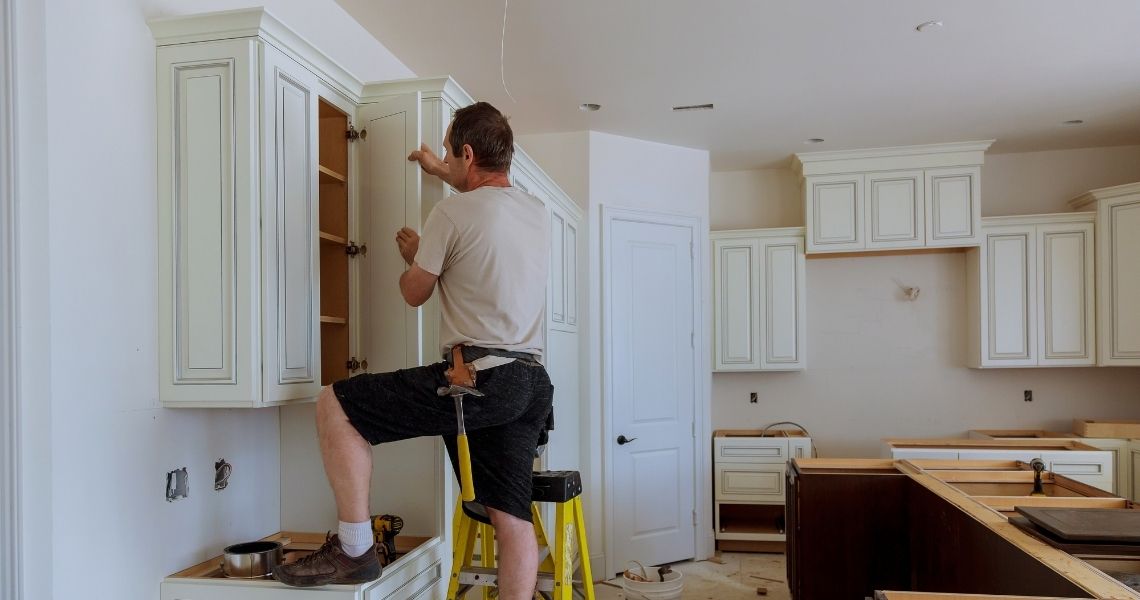
Some kitchen updates are manageable as small DIY projects, but larger renovations typically require licensed professionals and coordinated trade work.
Major Layout Changes
If the remodel involves removing walls, expanding the kitchen footprint, or changing appliance locations, professional planning is essential.
Electrical or Plumbing Upgrades
Older Fairfield County homes may not meet modern electrical demands. Kitchens often require:
- Dedicated appliance circuits
- Updated outlets
- Improved lighting systems
- Ventilation improvements
Plumbing changes also require careful coordination and permitting.
Cabinet Replacement and Custom Work
Installing cabinetry properly requires precise measurements, leveling, and alignment. Custom kitchens often involve:
- Built-in storage
- Pantry systems
- Appliance panels
- Integrated lighting
How to Plan a Kitchen Remodel in Fairfield County
Planning thoroughly before construction begins helps reduce unexpected costs and scheduling issues.
Step 1: Define the Primary Goal
Homeowners should first determine what they want the remodel to accomplish.
Common goals include:
- Increasing storage
- Improving workflow
- Modernizing finishes
- Expanding entertaining space
- Improving resale appeal
- Creating better accessibility
A clearly defined goal helps guide budget and design decisions.
Step 2: Establish a Realistic Budget
Kitchen remodeling costs vary significantly depending on:
- Kitchen size
- Material selections
- Labor requirements
- Structural changes
- Appliance upgrades
Major upscale kitchen remodels nationally average well into six figures, while midrange projects remain substantially lower, depending on scope and market conditions.
Homeowners should also account for:
- Permit fees
- Temporary kitchen arrangements
- Contingency funds
- Material lead times
Step 3: Decide What Can Stay
Keeping certain components can help control costs.
Potential cost-saving decisions may include:
- Keeping appliance locations unchanged
- Refinishing instead of replacing cabinets
- Preserving existing flooring
- Maintaining the current plumbing layout
Not every remodel requires a complete gut renovation.
Step 4: Research Local Permit Requirements
Connecticut enforces statewide building codes that apply to residential alterations and renovations.
Kitchen remodel permits may be required for:
- Electrical modifications
- Plumbing work
- Structural changes
- Ventilation updates
Permit timelines vary between municipalities throughout Fairfield County.
Step 5: Interview Contractors Carefully
Before signing a contract, homeowners should evaluate:
- Contractor registration
- Insurance coverage
- Project management process
- Communication style
- Timeline expectations
- References and portfolio quality
A detailed consultation often reveals how organized and transparent a contractor will be throughout the project.
What to Expect from Kitchen Remodel Contractors in Fairfield County
Professional kitchen remodel contractors in Fairfield County should provide a structured process from consultation through project completion.
Initial Consultation
Most contractors begin with:
- Site measurements
- Budget discussion
- Design priorities
- Existing condition assessment
- Timeline expectations
This phase helps determine project feasibility and scope.
Written Scope of Work
A professional proposal should clearly define:
- Included labor
- Materials
- Payment schedule
- Estimated timeline
- Allowances
- Change-order procedures
Detailed contracts reduce misunderstandings later.
Trade Coordination
Kitchen remodeling typically involves multiple specialists working in sequence.
This often includes:
- Framers
- Electricians
- Plumbers
- Tile installers
- Countertop fabricators
- Painters
- Finish carpenters
Coordinating these trades efficiently is one of the primary benefits of hiring a full-service contractor.
Communication Throughout Construction
Homeowners should expect regular communication regarding:
- Scheduling updates
- Material delivery timelines
- Inspection scheduling
- Unexpected site conditions
- Change requests
Clear communication is often one of the biggest factors influencing project satisfaction.
MORE ON THIS TOPIC: Custom Home Build Costs in Fairfield County
Permits, Codes, and Contractor Registration in Connecticut

Homeowners should verify that contractors comply with Connecticut regulations before signing any agreement.
Connecticut Contractor Registration
The Connecticut Department of Consumer Protection requires residential home improvement contractors to register with the state.
This registration helps protect homeowners and establishes accountability standards.
Written Contracts Are Required
Connecticut law requires home improvement contracts to include:
- Contractor registration information
- Start and completion dates
- Cancellation rights
- Scope of work
- Payment terms
Homeowners should avoid verbal agreements for major remodeling work.
Inspections and Code Compliance
Kitchen remodels commonly require inspections for:
- Electrical systems
- Plumbing systems
- Ventilation
- Structural modifications
Inspections help confirm work meets current building code standards and safety requirements.
Budget Factors Fairfield County Homeowners Should Know Before a Kitchen Remodel
No two remodels cost the same. Several variables influence total project investment.
Cabinetry
Cabinets are often the largest budget category.
Costs vary based on:
- Stock vs. custom cabinetry
- Wood species
- Finish quality
- Hardware selection
- Interior storage systems
Countertops
Material choice significantly affects pricing.
Common countertop materials include:
- Quartz
- Granite
- Marble
- Butcher block
- Porcelain
Each material differs in durability, maintenance requirements, and installation complexity.
Structural Changes
Removing walls or changing layouts increases:
- Labor costs
- Engineering requirements
- Permit needs
- Inspection requirements
Appliances and Mechanical Systems
Upgrading appliances may require:
- Electrical panel upgrades
- Gas line modifications
- Dedicated circuits
- Ventilation improvements
Labor Availability
Skilled labor demand in Fairfield County can influence scheduling and pricing, especially during peak remodeling seasons.
How Energy-Efficient Choices Can Improve the Remodel
Many homeowners prioritize energy efficiency during kitchen remodeling in Fairfield County, CT.
Energy-Efficient Appliances
ENERGY STAR reports that certified electric cooking products are approximately 18% more energy efficient than standard models.
Modern dishwashers and refrigerators also reduce water and electricity consumption.
LED Lighting
LED lighting:
- Uses less energy
- Produces less heat
- Lasts longer than traditional bulbs
Layered lighting plans improve both functionality and ambiance.
Ventilation Improvements
Proper ventilation helps:
- Remove cooking pollutants
- Improve indoor air quality
- Reduce moisture buildup
Indoor ventilation is important for maintaining healthier indoor environments.
Questions to Ask Before Hiring a Kitchen Remodeling Contractor
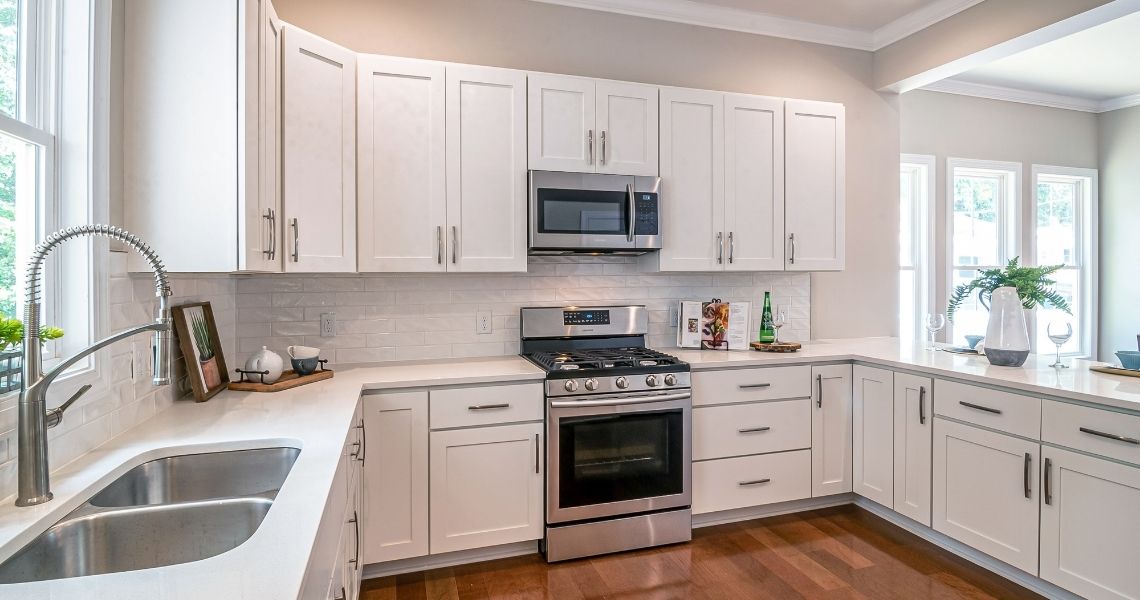
Homeowners should ask direct questions before committing to a contractor.
Are You Registered in Connecticut?
Verify registration through the Connecticut Department of Consumer Protection.
Are You Fully Insured?
Contractors should carry:
- General liability insurance
- Workers’ compensation coverage
- Who Will Manage the Project?
Clarify:
- Main point of contact
- Site supervision process
- Communication frequency
What Is Included in the Proposal?
The contract should clearly identify:
- Materials
- Labor
- Timeline
- Allowances
- Exclusions
How Are Changes Handled?
Unexpected issues can occur during remodeling. Contractors should explain:
- Change-order procedures
- Pricing adjustments
- Timeline impacts
What Homeowners Should Prepare Before the First Consultation
Homeowners do not need every detail finalized, but having basic information ready can make the estimate more accurate and the planning process more efficient.
Gather Inspiration and Priority Features
Save examples of layouts, cabinet styles, countertop materials, lighting, and storage ideas you like. This helps the contractor understand your design direction and separate must-have features from preferences.
Know Your Existing Kitchen Problems
Identify what is not working in the current kitchen. Common issues include limited counter space, poor lighting, awkward traffic flow, outdated appliances, insufficient storage, or worn finishes.
Be Ready to Discuss Budget and Timeline
Contractors can provide better guidance when homeowners are clear about their target investment range and ideal project window. This also helps determine whether the desired scope is realistic before design work begins.
Measure the Existing Space
Basic room measurements, ceiling height, window placement, and appliance dimensions can help the contractor understand the kitchen’s current limitations. Exact measurements can be verified later, but rough numbers make the first conversation more productive.
Make a List of Must-Haves and Nice-to-Haves
Separate essential features from optional upgrades. Must-haves may include more storage, better lighting, or a larger prep area. Nice-to-haves may include specialty cabinet inserts, premium finishes, or smart appliances.
Identify Any Known Home Issues
Mention past leaks, electrical problems, uneven flooring, poor ventilation, or previous renovation work. These details help contractors anticipate potential complications before construction begins.
Frequently Asked Questions (FAQs)
What is the best way to compare kitchen remodel contractors in Fairfield County?
Compare contractors by reviewing their project experience, written scope, communication process, registration status, insurance coverage, and ability to coordinate trades. Price matters, but the lowest estimate may not include the same materials, labor, timeline, or project management support.
Can I live at home during a kitchen remodel?
Yes, many homeowners stay in the home during a kitchen remodel, but daily routines will be disrupted. Plan for a temporary food prep area, limited sink access, dust control, appliance relocation, and possible noise during work hours.
What should I choose before demolition starts?
Finalize major selections before demolition whenever possible, including cabinets, countertops, appliances, flooring, fixtures, tile, lighting, and hardware. Early decisions help prevent ordering delays and scheduling gaps.
How do change orders work during a kitchen remodel?
A change order documents any adjustment to the original scope, cost, or timeline. Homeowners should ask contractors to provide written approval for changes before work continues so there is a clear record of added labor, materials, or schedule impacts.
Why do kitchen remodel timelines vary so much?
Timelines vary because every project has different material lead times, permit requirements, inspection schedules, trade availability, hidden conditions, and design complexity. Structural changes, custom cabinetry, and special-order materials usually add more time.
Hire the Right Contractor Before Starting Your Kitchen Remodel
A successful kitchen remodel requires careful planning, realistic budgeting, qualified trade coordination, and clear communication from start to finish.
For homeowners planning a kitchen remodel in Fairfield County, Grain & Steel Contracting LLC is one local company to consider for full-service remodeling support and project guidance.