
Quick Facts
- Planning around layout, materials, and labor helps keep remodeling costs realistic.
- Premium features can improve comfort but should support daily use.
- Keeping plumbing in place is one of the easiest ways to control costs.
- A contingency budget helps cover hidden issues found during demolition.
- Durable finishes and proper ventilation improve long-term bathroom performance.
What’s In This Guide
- How Much Does a Master Bath Remodel Cost?
- Biggest Factors That Affect the Cost to Remodel a Master Bath
- How to Budget for a Master Bath Remodel Cost
- Master Bathroom Remodel Ideas
- Common Mistakes That Increase Master Bathroom Remodeling Costs
- Frequently Asked Questions
- Plan Your Master Bathroom Remodel With a Realistic Budget
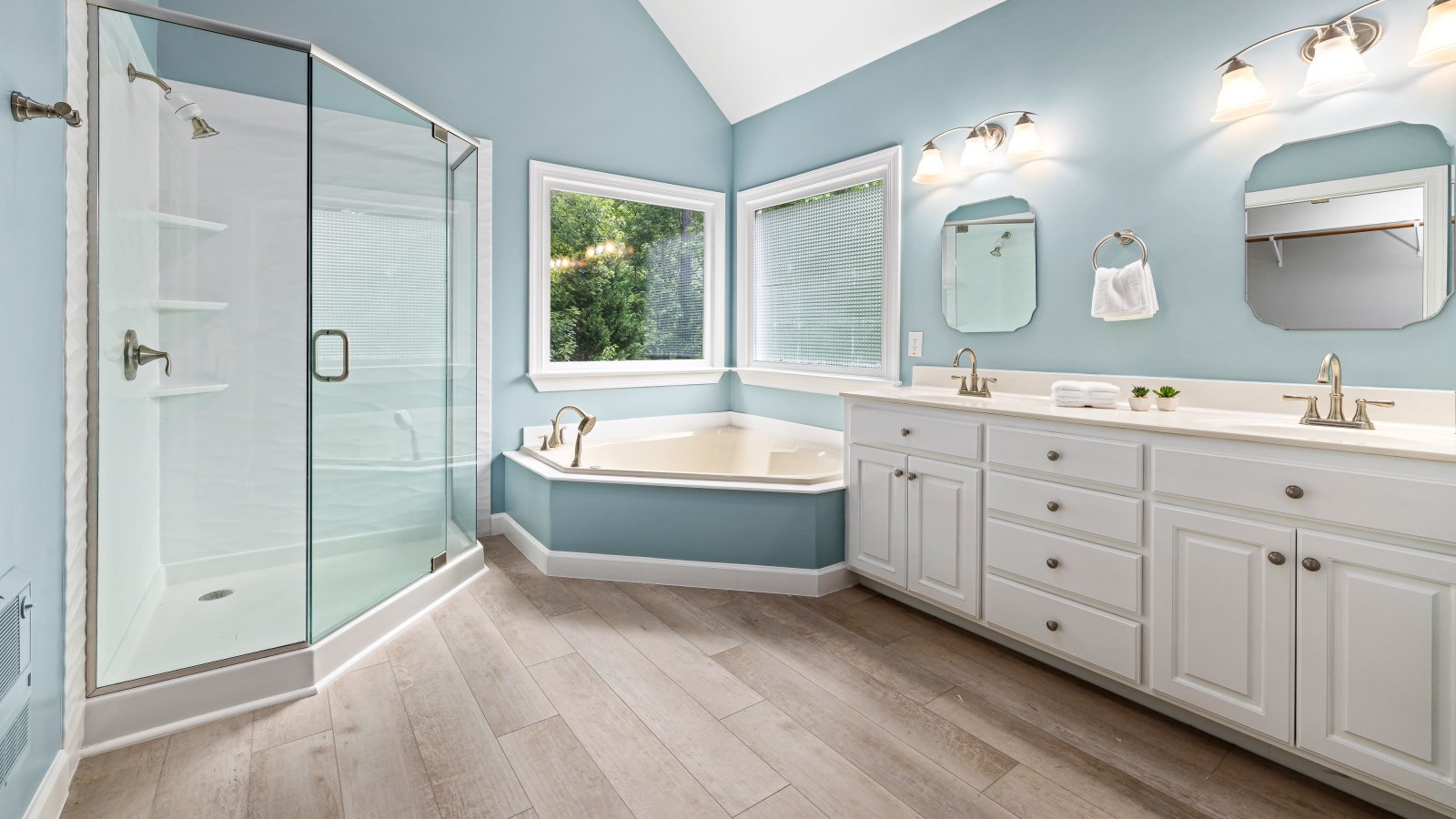
A master bathroom remodel can range from a simple cosmetic update to a fully customized luxury renovation with premium finishes and spa-like features. Costs vary depending on the bathroom size, layout changes, materials, labor, and the level of customization involved. Features such as double vanities, walk-in showers, heated floors, custom cabinetry, and wet room designs can significantly affect the final budget.
Homeowners planning a primary bathroom renovation often want more than general pricing estimates. Understanding where the money goes and which upgrades provide the most value helps create a more realistic remodeling budget and prevents unnecessary spending.
Here’s a guide for the average cost to remodel master bath spaces, the biggest pricing factors, and the upgrades that make the biggest impact.
How Much Does a Master Bath Remodel Cost?
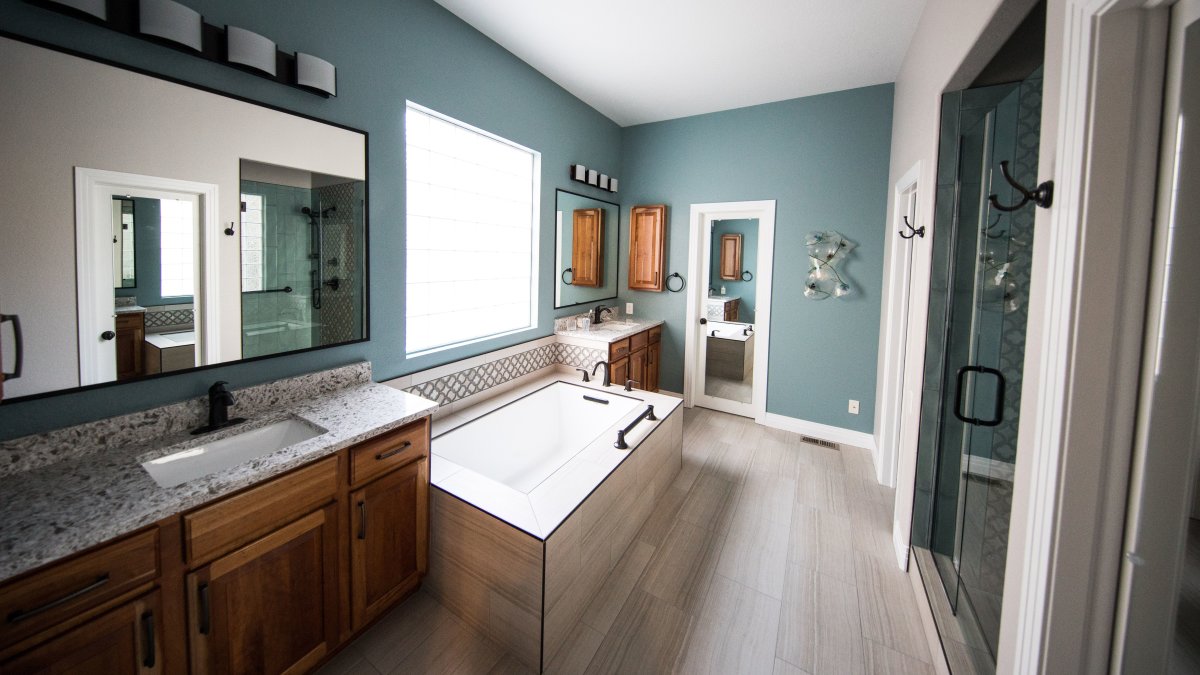
A master bath renovation is usually priced by the combination of fixtures, finishes, and labor required to complete the space. Because these bathrooms often include larger layouts, upgraded shower systems, dual-sink vanities, and more detailed finish work, costs can increase quickly as selections become more customized.
Renovation | Average Cost of Master Bath Remodel |
Install hardware | $50 – $300 |
Flooring installation cost | $100 – $600 |
Floor tile cost | $100 – $600 |
Toilet installation cost | $120 – $800 |
Mirror installation cost | $140 – $430 |
Painting walls costs | $150 – $400 |
Hardwood floor cost | $150 – $600 |
Bath fan installation cost | $150 – $550 |
Install a medicine cabinet | $150 – $400 |
Install light fixture | $150 – $1,500 |
Faucet installation cost | $200 – $600 |
Refacing existing cabinets | $200 – $800 |
Sink installation cost | $200 – $1,500 |
Heated bathroom floor cost | $250 – $1,700 |
Tub refinishing costs | $300 – $600 |
Glass shower doors cost | $400 – $1,900 |
Countertops installation | $450 – $1,500 |
Cabinetry installation | $500 – $3,600 |
Shower pan installation cost | $500 – $3,500 |
Bathtub installation | $800 – $4,600 |
Retiling shower | $800 – $3,000 |
Bathtub or shower liner costs | $1,700 – $2,500 |
Shower installation | $2,000 – $9,000 |
Steam shower cost | $3,000 – $10,000 |
Biggest Factors That Affect the Cost to Remodel a Master Bath
The cost to remodel a master bath depends on several design and construction decisions. Features such as layout changes, material selections, custom storage, and upgraded plumbing fixtures can significantly increase the overall renovation budget.
Bathroom Size
Larger bathrooms require more flooring, tile, lighting, paint, and labor, which naturally increases renovation costs. A spacious primary suite with separate wet zones will cost substantially more than a compact layout with standard fixtures.
Layout Changes and Plumbing Relocation
Moving showers, tubs, sinks, or toilets often requires rerouting plumbing and modifying flooring or wall structures. This type of work can quickly raise the master bath remodel cost because it involves additional labor, permits, and inspections.
Double Vanities and Custom Cabinetry
Double vanities improve convenience and storage but require more countertop space, plumbing connections, and cabinetry materials. Fully custom cabinets also increase the average cost of master bath remodel projects due to fabrication and installation complexity.
Wet Rooms and Curbless Showers
Wet room designs require advanced waterproofing systems, specialized drainage, and full-surface tile installation. Curbless showers also demand precise floor sloping to ensure proper drainage and code compliance.
Tile and Surface Materials
Material selection directly affects bathroom remodeling costs because premium finishes require higher material and installation expenses.
Material | Typical Cost Level |
Ceramic tile | Lower cost |
Porcelain tile | Moderate |
Large-format porcelain tile | Moderate to high |
Quartz surfaces | High |
Marble | High |
Natural stone | Premium |
Heated Flooring Systems
Radiant floor heating adds comfort and luxury to a primary bathroom but increases both electrical and installation costs. Heated flooring systems are commonly installed beneath tile and require additional planning during construction.
Lighting and Electrical Upgrades
Modern bathroom renovations often include layered lighting, upgraded outlets, dimmers, and smart controls. Electrical improvements may also involve new wiring and dedicated circuits to support additional fixtures and heated features.
How to Budget for a Master Bath Remodel Cost
Step 1: Define Your Must-Have Features
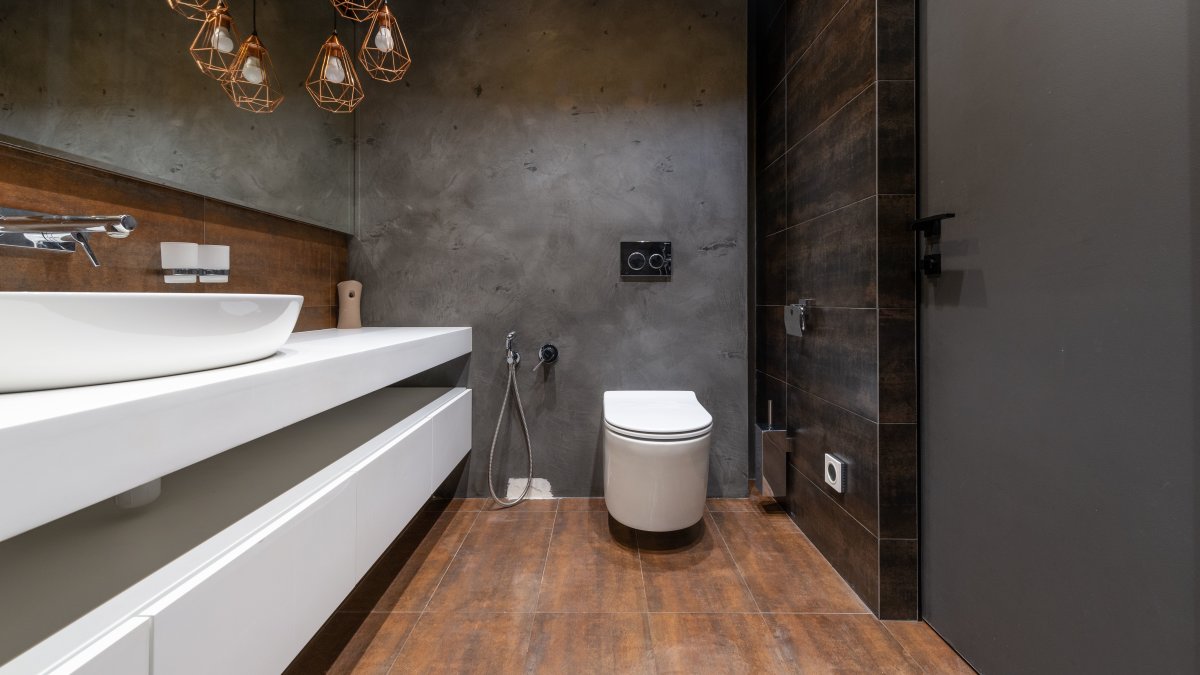
Start by identifying the features that matter most to your daily routine, such as a larger shower, double sinks, heated floors, more storage, or a soaking tub. Clear priorities help prevent overspending on upgrades that may look appealing but offer limited long-term value.
Step 2: Separate Needs From Luxury Upgrades
Focus first on functionality, durability, and layout efficiency before adding luxury details. Features such as custom storage, quality tile work, durable countertops, and efficient lighting tend to offer stronger long-term value than trend-based upgrades.
Step 3: Reserve a Contingency Budget
Set aside 10% to 20% of your budget for unexpected costs that may appear once demolition begins. Common issues include water damage, mold, outdated wiring, plumbing code violations, and subfloor deterioration.
Step 4: Get Detailed Estimates
Request a professional estimate that clearly outlines labor costs, material allowances, permit fees, construction timelines, and fixture specifications. A detailed estimate makes it easier to compare bids and understand where your money is going.
➤ READ NEXT: Choosing the Right Contractor for Your Bathroom Remodel
Master Bathroom Remodel Ideas
The best master bathroom remodel ideas combine comfort, functionality, and long-term value. Features such as larger showers, custom storage, heated floors, and modern lighting can improve both daily use and the overall appearance of the space.
Spa-Inspired Wet Room
Combine the shower and tub area into a fully waterproofed wet room for a clean, open layout. This design creates a luxury spa feel while improving accessibility and maximizing space.
Double Vanity With Custom Storage
A double vanity adds convenience for shared bathrooms and improves organization. Custom drawers, linen towers, and built-in outlets help reduce clutter and improve daily functionality.
Oversized Walk-In Shower
Replace a standard tub-shower combo with a larger walk-in shower that includes a glass door, built-in bench, rainfall showerhead, or body sprays. This upgrade aligns with current homeowner preferences, as 84% choose showers with doors and 75% select frameless doors, making frameless glass a practical and popular choice for a modern master bathroom.
Heated Tile Floors
Radiant heated flooring improves comfort during colder months and adds a high-end touch to the space. Heated tile floors work especially well in larger primary bathrooms with stone or porcelain surfaces.
Freestanding Soaking Tub
A freestanding tub creates a focal point and adds a more upscale look to the bathroom. This feature works best in larger layouts with enough surrounding floor space.
Floor-to-Ceiling Tile
Extending tile to the ceiling creates a cleaner and more luxurious appearance while improving moisture protection. Large-format tile can also make the bathroom feel more open and modern.
Floating Vanity Design
Floating vanities create a sleek, contemporary appearance and visually open up the room. They also make floor cleaning easier and pair well with under-cabinet lighting.
Smart Bathroom Features
Modern bathrooms often include smart mirrors, touchless faucets, programmable lighting, and digital shower controls. These upgrades improve convenience and energy efficiency.
Natural Stone Accents
Incorporate marble, quartzite, or textured stone accents for a more premium finish. Natural materials add depth and visual contrast without overwhelming the space.
Statement Lighting
Layered lighting with sconces, pendants, and recessed fixtures improves both functionality and ambiance. Statement fixtures can also serve as a design centerpiece in the bathroom.
Common Mistakes That Increase Master Bathroom Remodeling Costs
Changing the Layout Too Late
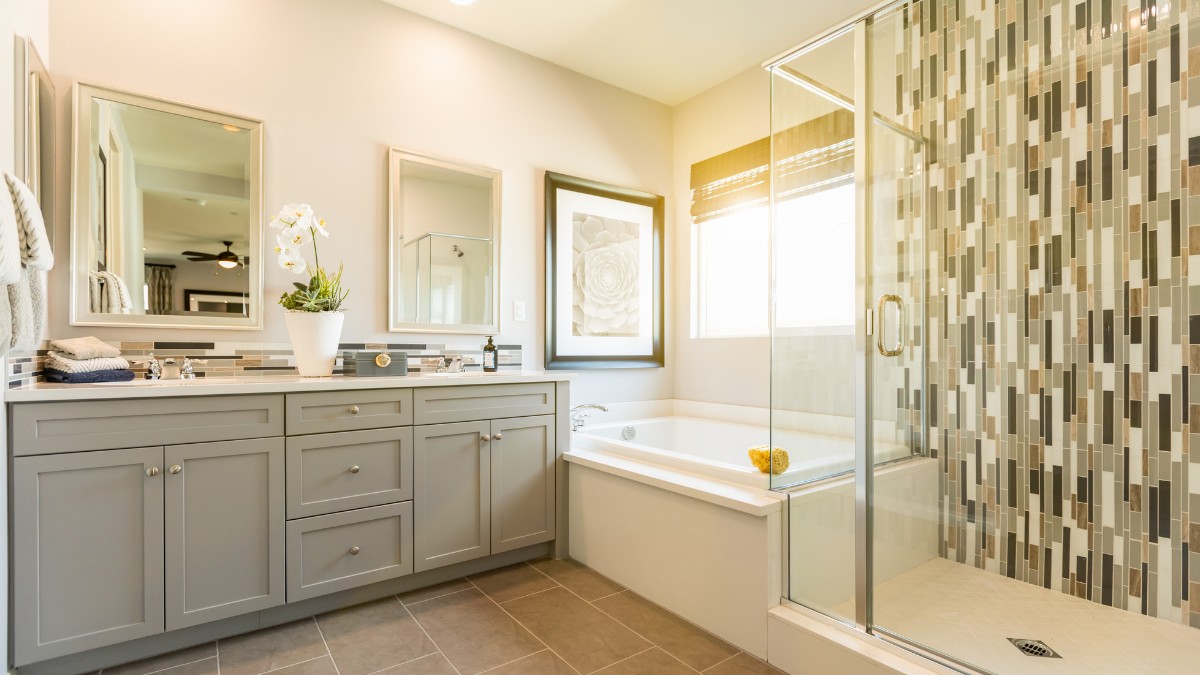
Late design changes can increase costs by requiring plumbing rework, material replacements, and schedule adjustments. Finalizing the layout before demolition helps avoid unnecessary delays and added labor expenses.
Choosing Materials Before Finalizing Design
Materials should be selected after confirming dimensions, drain locations, cabinetry layouts, and waterproofing needs. Purchasing finishes too early can lead to sizing and compatibility issues during installation.
Underestimating Ventilation Needs
Proper ventilation helps prevent moisture-related problems such as mold growth, peeling paint, and warped cabinetry. Exhaust fans should be correctly sized based on the bathroom’s square footage and airflow requirements.
Ignoring Long-Term Maintenance
Some bathroom materials require more upkeep than others over time. Marble needs regular sealing, textured tile collects dirt more easily, and excessive grout lines increase cleaning and maintenance demands.
Frequently Asked Questions
How long should a master bathroom remodel last?
A well-built master bathroom remodel should last 10 to 20 years or longer with proper maintenance and quality materials. Durability often depends on waterproofing, ventilation, installation quality, and daily wear.
Is it better to replace or refinish a bathtub?
Refinishing is usually more affordable and works well for tubs with minor cosmetic damage. Replacement is often the better option when the tub is outdated, damaged, leaking, or no longer fits the new bathroom layout.
How can I reduce bathroom remodeling costs?
Keeping the existing plumbing layout is one of the most effective ways to control remodeling expenses. Choosing durable mid-range materials instead of luxury finishes can also reduce costs without sacrificing functionality.
What should I prioritize in a master bathroom remodel?
Focus first on layout efficiency, storage, lighting, and shower functionality because these features affect daily comfort the most. Durable materials and proper ventilation should also be prioritized for long-term performance. Luxury upgrades can be added afterward based on the remaining budget.
Do I need permits for a master bathroom remodel?
Permits are often required when a remodel involves plumbing, electrical work, structural modifications, or layout changes. Permit requirements vary by location and project scope.
Plan Your Master Bathroom Remodel With a Realistic Budget
A master bathroom renovation involves far more than selecting tile and fixtures. Layout changes, plumbing complexity, waterproofing systems, and custom finishes all influence the final budget. Prioritizing high-impact upgrades such as quality tile installation, functional storage, oversized showers, and heated flooring can improve both comfort and long-term usability.
For homeowners planning a premium primary bathroom renovation with thoughtful design and custom craftsmanship, Grain & Steel Contracting LLC offers experience in creating functional, high-end spaces tailored to modern living.