
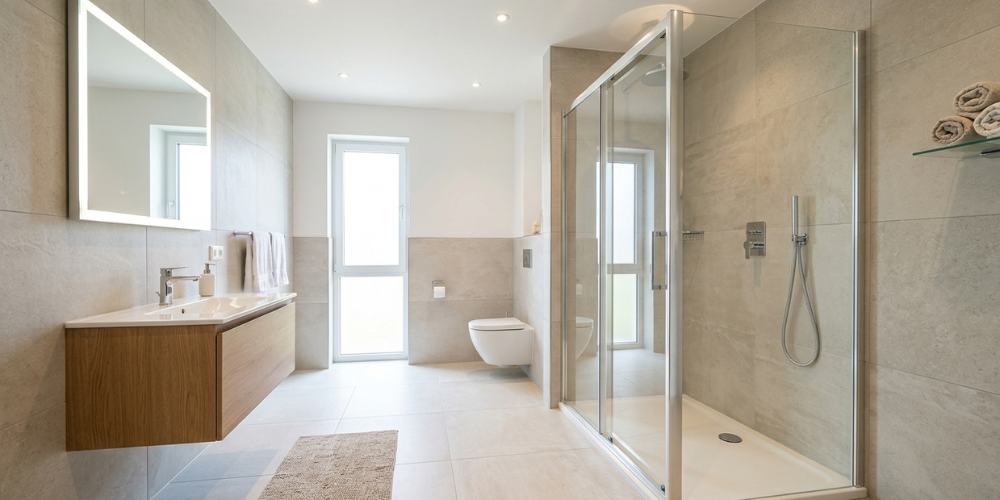
Are Acrylic Shower Enclosures Worth It? Insights from Bathroom Renovation Contractors
Bathroom renovation contractors often consider acrylic shower enclosures worth it for homeowners who prioritize low maintenance, fast installation, and cost control.
That said, they are not the right choice for every remodel. Acrylic shower enclosures offer fewer design options and may not match the durability or visual appeal of custom tile or stone.
The real value depends on your goals, how the bathroom is used, and how long you plan to stay in the home.
WHAT’S IN THIS GUIDE
QUICK FACTS
✔ Acrylic is worth it for low-maintenance, budget-conscious remodels.
✔ Most acrylic enclosures last 10 to 20 years.
✔ Acrylic is easier to clean than tile.
✔ It offers less design flexibility than tile.
✔ Acrylic works best in practical bathrooms, not luxury spaces.
What Are Acrylic Shower Enclosures?
Acrylic shower enclosures are prefabricated or modular shower systems made from acrylic-based materials, a type of synthetic resin known for its durability and water resistance.
Acrylic itself is widely used in construction and manufacturing due to its lightweight structure and resistance to moisture and impact.
These systems typically include:
- Shower wall panels or surrounds
- A molded shower base or pan
- Corner, alcove, or walk-in enclosure configurations
- Optional built-in shelving or seating
Unlike tile showers, which are constructed piece by piece, acrylic shower enclosures are designed as integrated systems. This reduces seams, eliminates grout lines, and simplifies both installation and maintenance.
Pros of Acrylic Shower Enclosures
Fast and Efficient Installation
Acrylic shower enclosures are designed for speed. Because they are prefabricated, installation is typically completed within one to two days. This reduces labor costs and minimizes disruption, especially in homes with limited bathroom access.
Low Maintenance and Easy Cleaning
The absence of grout lines is one of the biggest advantages. Grout is a common source of mold, mildew, and staining in tile showers. Acrylic surfaces are smooth and non-porous, making routine cleaning simpler and more predictable.
Budget-Friendly Compared to Custom Builds
While pricing varies by size and quality, acrylic systems are generally more affordable than fully tiled showers. Labor is less intensive, and fewer materials are required.
Comfortable and Practical for Daily Use
Acrylic surfaces tend to feel warmer than tile or stone. This makes them more comfortable in everyday use, particularly in colder climates or early morning routines.
Strong Fit for Accessibility-Focused Remodels
Acrylic shower enclosures can be paired with features like low-entry bases and built-in seating. This makes them a practical option for aging-in-place upgrades or households planning for future mobility needs.
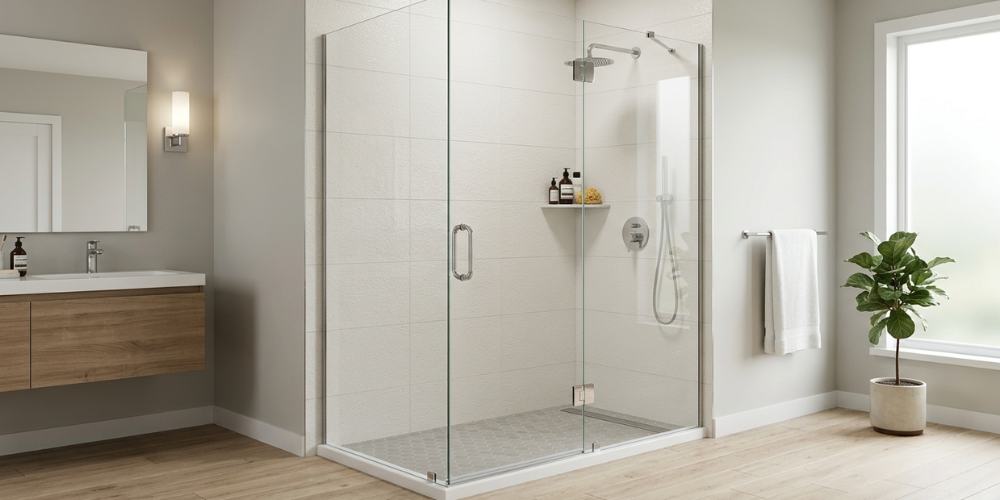
Cons of Acrylic Shower Enclosures
Limited Design Flexibility
Acrylic systems come in a range of finishes, but they cannot match the customization of tile. Patterns, textures, and layout options are more standardized.
Susceptibility to Scratching
Acrylic is durable, but it is not immune to damage. Abrasive cleaners or harsh scrubbing tools can dull or scratch the surface over time.
Perception of Lower-End Aesthetics
In higher-end remodels, tile and natural stone are often preferred for their visual depth and customization. Acrylic can look clean and modern, but it usually feels more practical than high-end.
Quality Depends on Product and Installation
Not all acrylic systems are equal. Lower-quality units may feel thin or flexible. Proper installation, including leveling and wall preparation, plays a major role in long-term performance.
Not Always Ideal for High-End Primary Bathrooms
For homeowners investing in a long-term, design-focused primary bathroom, acrylic may not align with aesthetic goals or resale expectations.
Cost and Value: What to Keep in Mind
Bathroom remodeling should be viewed as a whole-home investment. A midrange bathroom remodel averages $25,251, with about $18,613 in resale value recouped, or roughly 74%.
Material choice is only one factor. Layout, functionality, and overall execution play a major role in long-term value.
Efficiency is another consideration. Standard showerheads use 2.5 gallons per minute, while WaterSense models use no more than 2.0 gallons per minute, reducing water use without sacrificing performance.
Updating the enclosure is often a good time to improve overall system efficiency.
Acrylic Shower vs. Fiberglass vs. Tile
When comparing shower materials, most homeowners are really comparing trade-offs. Acrylic shower enclosures are often the middle-ground option. Fiberglass is usually the lowest-cost and most basic choice. Tile offers the most customization, but it also requires more labor, more maintenance, and a higher budget.
Factor | Acrylic | Fiberglass | Tile |
Upfront Cost | Mid-range option that is usually more affordable than tile | Lowest-cost option in many cases | Highest upfront cost due to labor and materials |
Installation Time | Fast installation, often completed in one to two days in standard remodels | Fast installation, especially for simple replacements | Slowest installation due to prep, waterproofing, setting, and curing |
Maintenance | Low maintenance, easy to clean, no grout lines | Low maintenance, but the surface may wear faster | Highest maintenance because grout lines need regular cleaning and care |
Appearance | Clean, uniform, and more polished than basic fiberglass | More basic and builder-grade in appearance | Most customizable and visually refined |
Durability | Durable for everyday use, though it can be scratched with abrasive cleaning | Generally less durable than acrylic and may feel thinner | Very durable when installed correctly, though grout and tiles may need repairs over time |
Comfort | Warmer to the touch than tile | Also warmer than tile, but often less solid-feeling | Can feel colder and harder under normal conditions |
Design Flexibility | Limited compared with tile | Most limited design options | Highest level of customization in color, texture, and layout |
Best Fit | Good for guest baths, kids’ baths, rentals, and practical mid-range remodels | Best for basic budget-first projects | Best for luxury, primary, or design-focused bathrooms |
| Factor | Acrylic | Fiberglass | Tile |
|---|---|---|---|
| Upfront Cost | Mid-range option that is usually more affordable than tile | Lowest-cost option in many cases | Highest upfront cost due to labor and materials |
| Installation Time | Fast installation, often completed in one to two days in standard remodels | Fast installation, especially for simple replacements | Slowest installation due to prep, waterproofing, setting, and curing |
| Maintenance | Low maintenance, easy to clean, no grout lines | Low maintenance, but the surface may wear faster | Highest maintenance because grout lines need regular cleaning and care |
| Appearance | Clean, uniform, and more polished than basic fiberglass | More basic and builder-grade in appearance | Most customizable and visually refined |
| Durability | Durable for everyday use, though it can be scratched with abrasive cleaning | Generally less durable than acrylic and may feel thinner | Very durable when installed correctly, though grout and tiles may need repairs over time |
| Comfort | Warmer to the touch than tile | Also warmer than tile, but often less solid-feeling | Can feel colder and harder under normal conditions |
| Design Flexibility | Limited compared with tile | Most limited design options | Highest level of customization in color, texture, and layout |
| Best Fit | Good for guest baths, kids’ baths, rentals, and practical mid-range remodels | Best for basic budget-first projects | Best for luxury, primary, or design-focused bathrooms |
How Long Do Acrylic Shower Enclosures Last and What Affects Their Lifespan?
Most acrylic shower enclosures last 10 to 20 years, depending on quality, installation, and daily use. Bathroom renovation contractors often consider them a reliable mid-range option when properly maintained.
Key Factors That Affect Lifespan
- Material quality: Thicker, reinforced acrylic panels last longer and resist cracking
- Installation quality: Proper leveling, sealing, and support prevent leaks and movement
- Daily use: High-traffic bathrooms experience faster wear
- Cleaning habits: Non-abrasive cleaners help maintain the surface and prevent scratching
Signs It May Be Time to Replace
Cracks or visible damage
Persistent stains or discoloration
Loose panels or failing seals
What This Means for Homeowners
Acrylic shower enclosures offer solid durability for most homes, especially when low maintenance and cost control are priorities. While they may not last as long as custom tile, they provide dependable performance for many everyday bathroom remodels.
How Bathroom Renovation Contractors Decide If Acrylic Is the Right Choice
Step 1: Define the Purpose of the Bathroom
Bathroom renovation contractors first look at how the bathroom will be used.
- Primary bathroom: Homeowners may want a more custom or higher-end look
- Guest or kids’ bathroom: Easy cleaning and durability often matter more
- Rental unit: Cost control and low maintenance are usually priorities
This helps contractors decide whether acrylic shower enclosures fit the function of the space.
Step 2: Set the Budget Early
Budget helps narrow the options before material and design decisions go too far. Bathroom renovation contractors use the budget to determine whether the project calls for a cost-conscious, efficient solution or whether there is room for more labor-intensive materials like tile.
Step 3: Evaluate the Existing Space
Contractors check whether the bathroom layout works well for acrylic.
They usually look at:
- Shower size and shape
- Wall condition
- Plumbing location
- Framing or structural issues
Acrylic shower enclosures tend to work best in spaces that fit standard sizes and do not require major customization.
Step 4: Consider Maintenance Preferences
Maintenance is a major part of the decision because the right material has to fit the homeowner’s routine. Contractors often recommend acrylic for homeowners who want a shower that is easier to clean and does not involve grout maintenance. That matters most in busy households and frequently used bathrooms.
Step 5: Plan for Long-Term Needs
Contractors also think about how the bathroom needs to function over time.
Important factors include:
- Aging-in-place plans
- Accessibility needs
- Who will use the shower daily
- Whether the remodel is for long-term living or short-term resale
Acrylic can be a strong choice when the goal is a simple, durable, and easy-to-use shower.
Step 6: Prioritize Installation Quality
Even the right material can fail if it is installed poorly.
Contractors focus on:
- Proper waterproofing
- Solid wall support
- Correct alignment
- Secure sealing
A well-installed acrylic system can perform reliably for years. A poorly installed one can lead to leaks, shifting, or early wear.
When Acrylic Shower Enclosures Make the Most Sense
Acrylic shower enclosures are a strong fit for:
- Guest bathrooms
- Kids’ bathrooms
- Rental properties
- Budget-conscious remodels
- Accessibility upgrades
- Homeowners who prioritize low maintenance
Many homeowners also renovate to improve functionality and resale value. Around 28% focus on resale, while 27% prioritize making the space more accommodating.
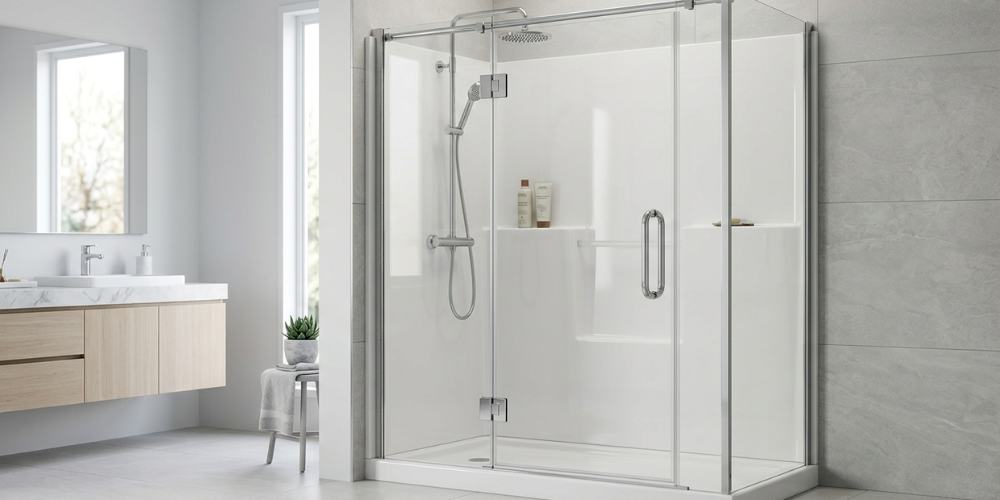
When Acrylic May Not Be Worth It
Acrylic may not be the best option for:
- High-end primary bathroom remodels
- Projects focused on luxury finishes
- Highly customized design plans
- Homes where resale depends on premium materials
In these cases, tile or stone may better align with the homeowner’s goals.
Frequently Asked Questions (FAQs)
Are acrylic shower enclosures waterproof?
Yes. Acrylic shower enclosures are non-porous, so they do not absorb water. When properly installed and sealed, they provide a reliable waterproof barrier. Long-term performance depends on correct installation, especially at joints and edges.
Do acrylic shower enclosures increase home value?
They can support overall bathroom value, especially in mid-range remodels. While they may not offer the same luxury appeal as tile, they improve usability and cleanliness. Many buyers value updated, low-maintenance bathrooms.
Can acrylic shower enclosures be customized?
Customization is more limited than tile, but there are still options. Homeowners can choose from different sizes, layouts, and finishes. Features like built-in shelving or seating can also be included.
Are acrylic shower enclosures safe for seniors?
Yes. Acrylic shower enclosures are commonly used in accessibility-focused designs. They can accommodate low-threshold entry, grab bars, and seating. This makes them a practical option for aging-in-place.
Can you install acrylic shower enclosures over existing tile?
In some cases, yes. Contractors may install acrylic panels over existing tile if the surface underneath is stable, dry, and properly prepared. This can reduce demolition time and speed up the remodel. However, if the existing tile has damage, moisture issues, or uneven surfaces, full removal is usually recommended.
Ready To Upgrade Your Shower? Make the Right Choice First
If you are considering acrylic shower enclosures or exploring other shower options, Grain & Steel Contracting LLC can help you evaluate what makes the most sense for your space.
Our team in Fairfield County focuses on practical, well-executed bathroom remodels designed around real homeowner needs, from layout planning to final installation.