
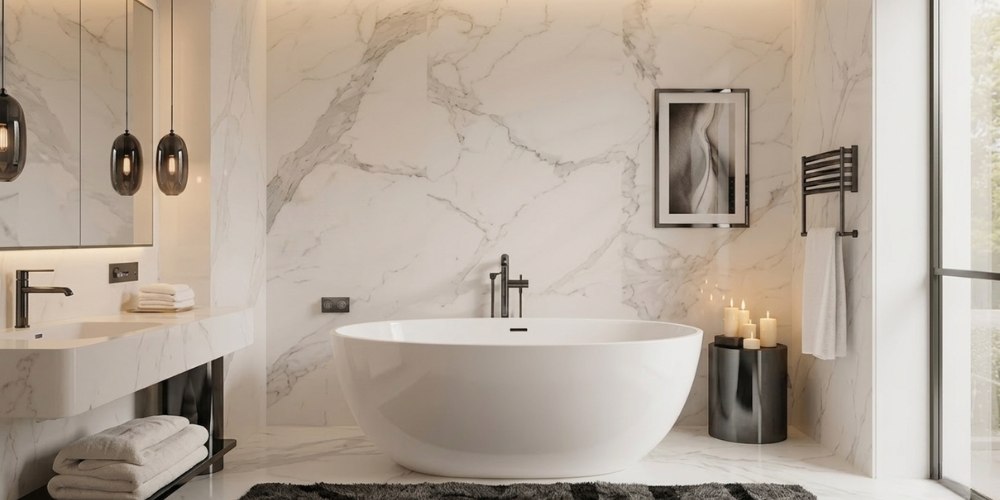
Choosing the Right Bathtub Material: What Most Homeowners Overlook
- Grainsteel Contracting LLC
- May 13, 2026
QUICK FACTS
✔ Bathtub material impacts comfort, durability, and maintenance.
✔ Acrylic is budget-friendly, while cast iron and stone retain heat better.
✔ Heavy tubs may need floor reinforcement.
✔ Balance cost, performance, and installation needs.
✔ Professional planning helps avoid costly issues.
WHAT’S IN THIS GUIDE
Choosing a bathtub often starts with design inspiration, but the decision goes far beyond aesthetics. The material you choose plays a major role in how the tub performs daily, how long it lasts, and how much effort it takes to maintain over time.
Many homeowners focus on what looks best in the moment, but overlook practical factors that can impact comfort, installation, and long-term costs. Here are the key things most homeowners overlook when choosing a bathtub material.
Why Bathtub Material Matters More Than You Think
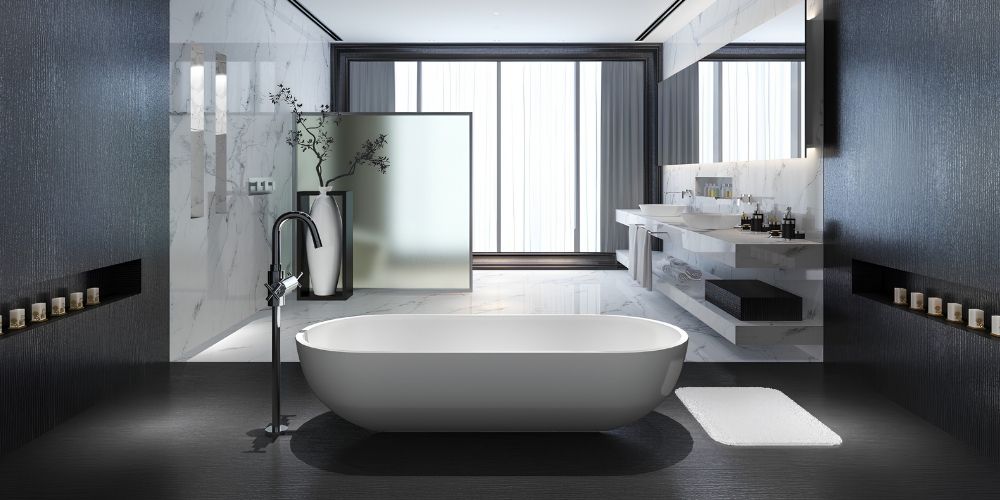
The best bathtub material is not just about style. It directly impacts daily performance, durability, and long-term value.
Material influences:
- Heat retention: Some materials keep water warm significantly longer, improving comfort and reducing the need to refill hot water
- Durability: Certain tubs resist cracking, chipping, and scratching better than others
- Maintenance: Surface finish determines how easy it is to clean and maintain
- Installation feasibility: Weight and size can complicate installation, especially in upper-level bathrooms
According to the U.S. Department of Energy, water heating accounts for a substantial portion of household energy use. Materials that retain heat better can help reduce repeated heating, especially for frequent bath users.
Choosing the wrong material often leads to avoidable problems. Homeowners may experience surface damage within a few years, higher repair costs, or even structural strain from heavy tubs installed without proper support.
Understanding these factors early helps you choose the best type of bathtub material for your home and avoid costly mistakes.
What Most Homeowners Overlook When Choosing a Bathtub
Choosing a bathtub involves more than picking a design that looks good in your bathroom. The material and structural factors behind that choice play a major role in comfort, durability, maintenance, and overall performance over time.
Heat Retention vs. Surface Feel
Many homeowners assume a tub that feels warm at first will provide a better bathing experience, but that is not always the case. Materials like cast iron and stone resin retain heat much longer than acrylic, making them a better choice for long, relaxing baths.
Weight and Floor Load Capacity
Bathtub weight becomes a critical factor once the tub is filled with water and occupied, often exceeding several hundred pounds. Heavier materials like cast iron or stone resin may require floor reinforcement, especially in second-story bathrooms where structural limits are more restrictive.
Long-Term Durability vs. Upfront Cost
While budget-friendly options like fiberglass or acrylic reduce initial costs, they are more prone to scratches, cracks, and general wear over time. Investing in a more durable material can reduce the need for repairs or early replacement, ultimately saving money in the long run.
Maintenance Requirements by Finish
The type of finish on a bathtub affects how often and how thoroughly it needs to be cleaned. Matte finishes tend to show soap scum and mineral buildup more easily, while glossy finishes are typically smoother and easier to maintain with routine cleaning.
Installation Constraints
Not all bathtubs are easy to transport or install, particularly in homes with narrow hallways or upper-level bathrooms. Heavier and bulkier tubs can require additional labor, specialized equipment, or even modifications to get them into place.
Structural and Plumbing Compatibility
A new bathtub must align with your existing plumbing system and bathroom layout to avoid costly adjustments. Differences in drain location, size, or framing requirements can lead to additional construction work if not planned for in advance.

What Is the Best Material for a Bathtub?
A clear bathtub materials comparison helps homeowners evaluate performance, durability, and maintenance beyond just appearance.
Acrylic Bathtubs
Acrylic is one of the most common choices in residential remodeling because it offers a practical mix of affordability, flexibility, and ease of installation. Many homeowners consider it the best type of bathtub material for everyday use when they want a lightweight option that balances comfort and cost.
Fiberglass Bathtubs
Fiberglass is usually the most budget-friendly material, which makes it appealing for simple updates or secondary bathrooms. While it is easy to install and inexpensive upfront, it is generally not considered the best bathtub material for homeowners who want strong, long-term durability.
Cast Iron Bathtubs
Cast iron is valued for its strength, classic appearance, and excellent heat retention, making it one of the most durable and premium bathtub materials available.
Stone Resin Bathtubs
Stone resin is known for its solid feel, modern appearance, and ability to retain heat well during longer baths. It is often chosen in upscale remodels where homeowners want a high-end finish and are willing to invest more for both style and performance.
Porcelain-Enameled Steel
Porcelain-enameled steel offers a more traditional look and usually costs less than cast iron, making it a practical middle-ground option. It can work well for homeowners who want a classic bathtub appearance without the weight and price of heavier materials.
Tub Materials Comparison Chart
Bathtub Materials Comparison
Acrylic
Pros
- Lightweight and easy to install
- Affordable
- Wide variety of styles
Cons
- Scratches more easily
- Less durable over time
- Can feel less solid
Fiberglass
Pros
- Lowest upfront cost
- Very lightweight
- Simple installation
Cons
- Prone to cracking
- Fades over time
- Shorter lifespan
Cast Iron
Pros
- Extremely durable
- Excellent heat retention
- Scratch-resistant
Cons
- Very heavy
- Higher cost
- Difficult to install
Stone Resin
Pros
- Strong heat retention
- Durable and solid feel
- Premium appearance
Cons
- Heavy
- Expensive
- More complex installation
Porcelain-Enameled Steel
Pros
- More affordable than cast iron
- Classic look
- Lighter than cast iron
Cons
- Can chip or dent
- Less heat retention
- Surface wear over time
Choosing the Right Material for Your Bathroom
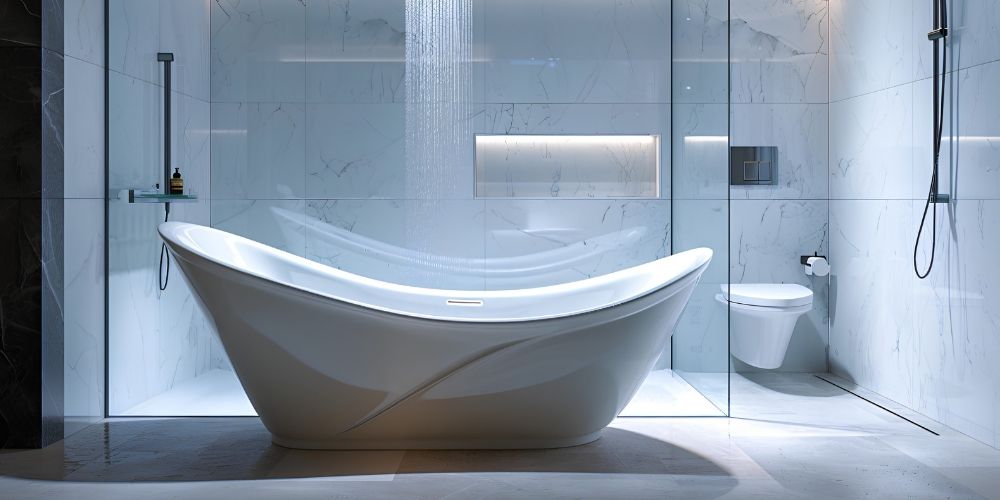
The right bathtub material depends on how you prioritize comfort, cost, durability, and installation limits in your space. Homeowners planning a full renovation often benefit from speaking with experienced bathroom remodel contractors to determine which material makes the most sense for their layout and goals.
Step 1: Set Your Budget
Start by defining your budget range. Consider both upfront costs and long-term durability. Spending more initially can reduce future replacement expenses.
Step 2: Evaluate Your Bathroom Structure
Assess whether your floor can support a heavy tub. This is especially important for second-floor installations. Consulting bathroom remodel contractors can help identify structural limitations early.
Step 3: Prioritize Comfort Needs
If you enjoy long baths, prioritize materials with strong heat retention like cast iron or stone resin. For quick use, acrylic may be sufficient.
Step 4: Consider Maintenance Preferences
Think about how much time you want to spend cleaning. Glossy finishes typically require less effort than matte surfaces.
Step 5: Think About Installation Logistics
Measure entryways, staircases, and access points. Heavy tubs may require additional labor or equipment to install.
Step 6: Balance Aesthetics with Function
Choose a material that aligns with both your design goals and practical needs. Avoid selecting a tub based solely on appearance.
Mistakes to Avoid When Choosing a Bathtub
Choosing a bathtub without looking at the practical details can lead to problems that affect comfort, installation, and long-term value. Many homeowners focus on appearance first, only to realize later that the wrong tub can create extra costs and maintenance issues.
Choosing a Tub Based Only on Style
A bathtub may look perfect in a showroom or an inspirational photo, but appearance alone does not guarantee it will perform well in your home. The best choice should also match your comfort needs, bathroom layout, and how often the tub will be used.
Ignoring Weight and Structural Requirements
Heavier bathtub materials can place significant stress on the floor once filled with water and occupied. Failing to account for weight can create installation complications and may require structural reinforcement that was not included in the original plan.
Underestimating Maintenance Needs
Some tubs require more frequent cleaning and more careful upkeep than homeowners expect. Surface finish, material type, and daily use all affect how easy the tub will be to maintain over time.
Selecting the Cheapest Option Without Considering Durability
A lower upfront price can be appealing, but it does not always mean better value in the long run. Less durable tubs may be more likely to crack, scratch, or wear out sooner, which can lead to repair or replacement costs earlier than expected.
Skipping Professional Input During Planning
Many homeowners do not realize how much bathtub selection can affect plumbing, floor support, and installation logistics. Getting input early from experienced professionals can help prevent costly adjustments and ensure the tub works well with the space.
Frequently Asked Questions
What is the most durable bathtub material?
Cast iron and stone resin are considered the most durable options. They resist scratching, cracking, and long-term wear better than lighter materials.
Which bathtub material keeps water warm the longest?
Cast iron and stone resin offer the best heat retention. They maintain water temperature longer than acrylic or fiberglass.
Are heavier bathtubs always better?
Not necessarily. While heavier tubs are often more durable, they require proper structural support. The best choice depends on your home’s construction.
What is the easiest bathtub material to maintain?
Acrylic with a glossy finish is generally the easiest to maintain. It resists staining and is simple to clean with standard household products.
Do I need to reinforce my floor for a heavy tub?`
In many cases, yes. If the filled weight exceeds typical floor load limits, reinforcement may be necessary. A professional assessment is recommended.
Upgrade Your Bathroom with the Right Bathtub Choice
Choosing the best type of bathtub material requires more than comparing styles. The right decision balances durability, heat retention, maintenance, and structural considerations. Taking the time to evaluate these factors helps ensure long-term comfort and performance.
For homeowners in Fairfield County planning a bathroom upgrade, working with experienced professionals can make the process more efficient and reliable. Grain & Steel Contracting LLC provides the expertise needed to evaluate structural requirements, guide material selection, and ensure proper installation.
If you are planning a remodel, consult with a qualified contractor to make informed decisions and avoid costly setbacks.
Contact Grain & Steel Contracting LLC today to start your bathroom remodeling project.